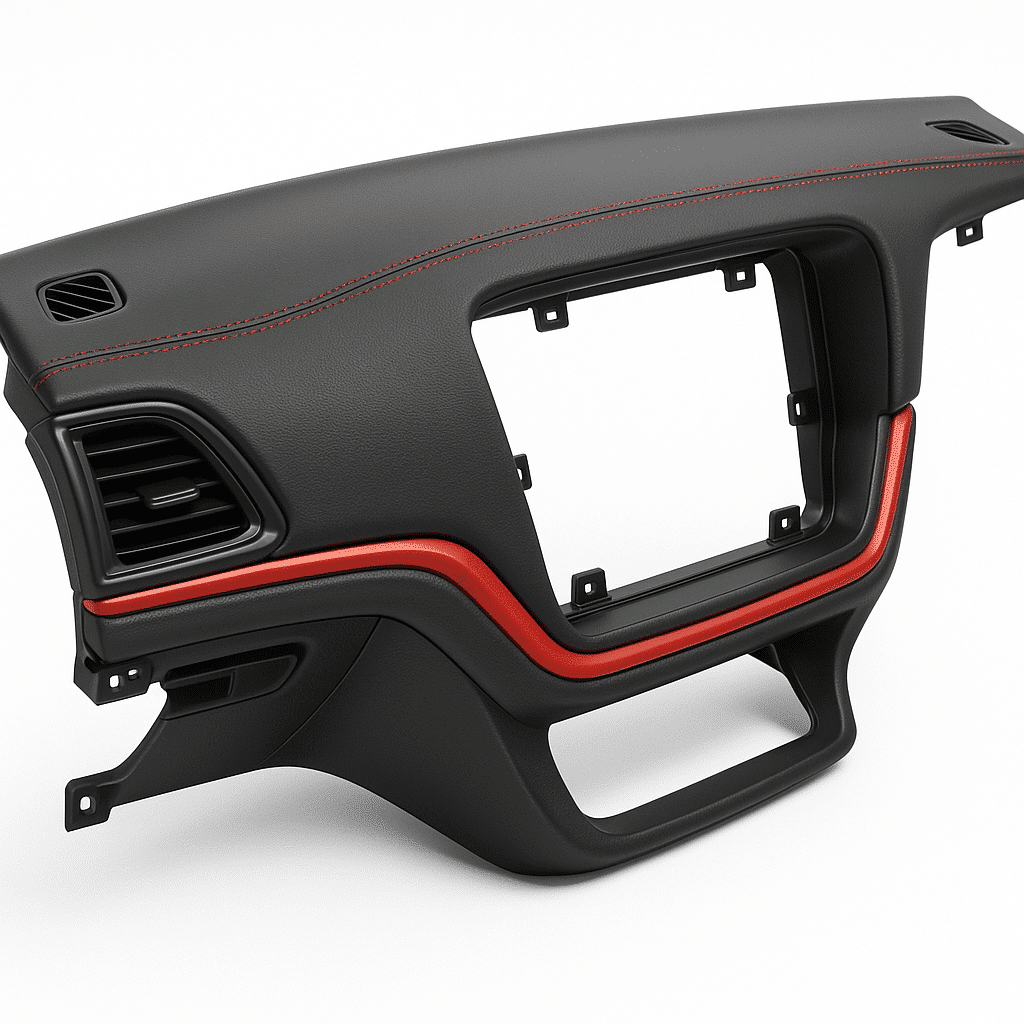
Cast Urethane Molding
-
Parts As Soon As 2 Weeks
-
Low-Volume Prototyping & Bridge to Production
-
Mimics a Large Variety of Production-Grade Thermoplastics
Trusted by Industry Leaders


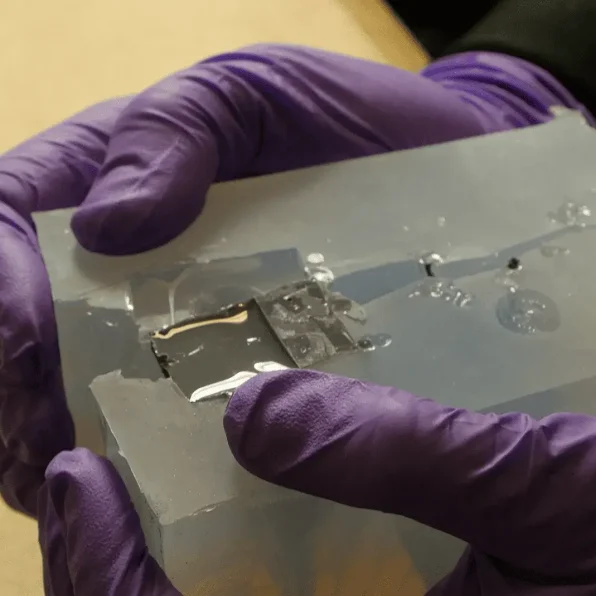
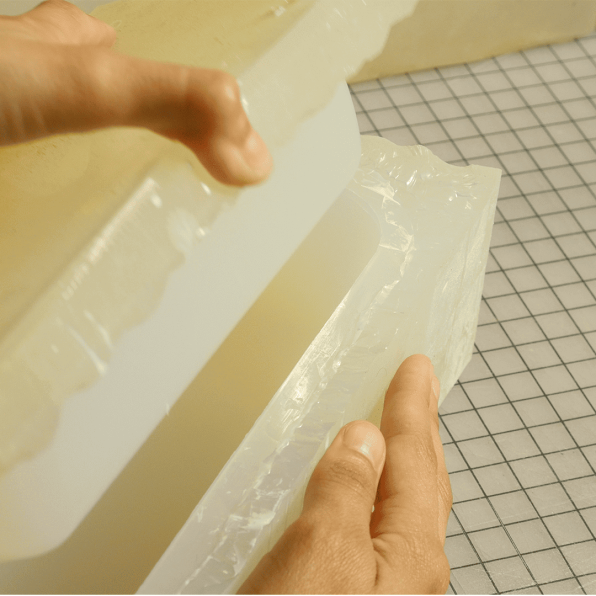
How Does Cast Urethane Molding Work?
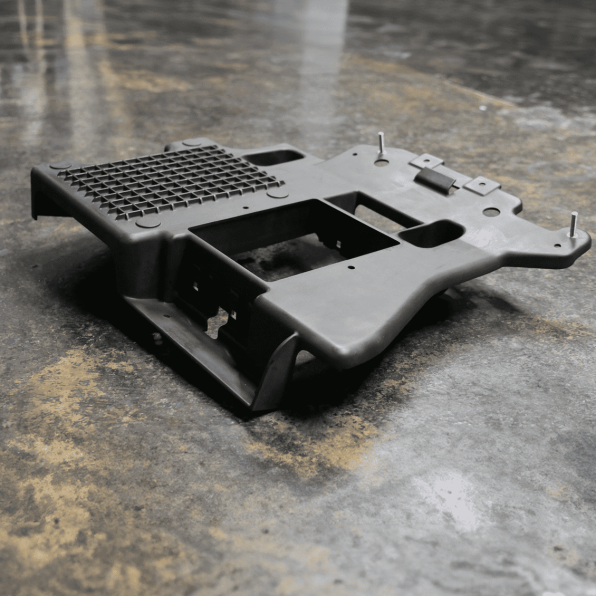
Advantages & Disadvantages of Cast Urethane Molding
Advantages
-
Cost-Effective For Prototyping & Low-Volume Production
Silicone molds are significantly cheaper to produce than metal injection molds. That makes them a cost-effective option for low-volume production and prototyping prior to investing in tooling for injection molding.
-
Fast Turnaround Time
Cast urethane molding has rapid lead times, with molds that can be created in weeks rather than the months. This enables you to rapidly iterate part designs and bring your new products to market faster.
-
Material Versatility
A wide range of urethane materials can be used to produce parts that are soft and flexible or rigid and impact-resistant.
-
Complex Geometries
Cast urethane molding can create intricate features, such as fine details, ribs, and undercuts, that are difficult or impossible to achieve with other methods like injection molding.
-
Test Multiple Hardness Levels from a Single Mold
One silicone mold can be used to produce the same part in a variety of durometers, so they can be tested side-by-side to determine which one works best.
Disadvantages
-
Lead Time
It takes an average of two weeks for silicone tooling to be created. Once it’s done, however, parts can be produced quickly.
-
Labor Intensive
Cast urethane molding requires manual labor. It isn’t suitable to automation, which increases the cost per part.
-
Silicone tooling can only produce an average of 20-25 parts. After that, new tooling must be built to
Short Tool Life produce additional castings. This also means that urethane casting isn’t practical for large-scale part production.
-
Limitations for Prototyping
The silicone tooling used for urethane castings tends to lock engineers into a single design. New tools can be built to accommodate design changes, but each one takes an average of two weeks to build. If a part requires frequent design changes, it could become time-consuming to build new models and silicone tools for each variation.
-
Environmental Sensitivity
Cast urethane parts tend to be sensitive to changes in temperature and humidity, which may cause the urethane to deteriorate.
Applications of Urethane Casting
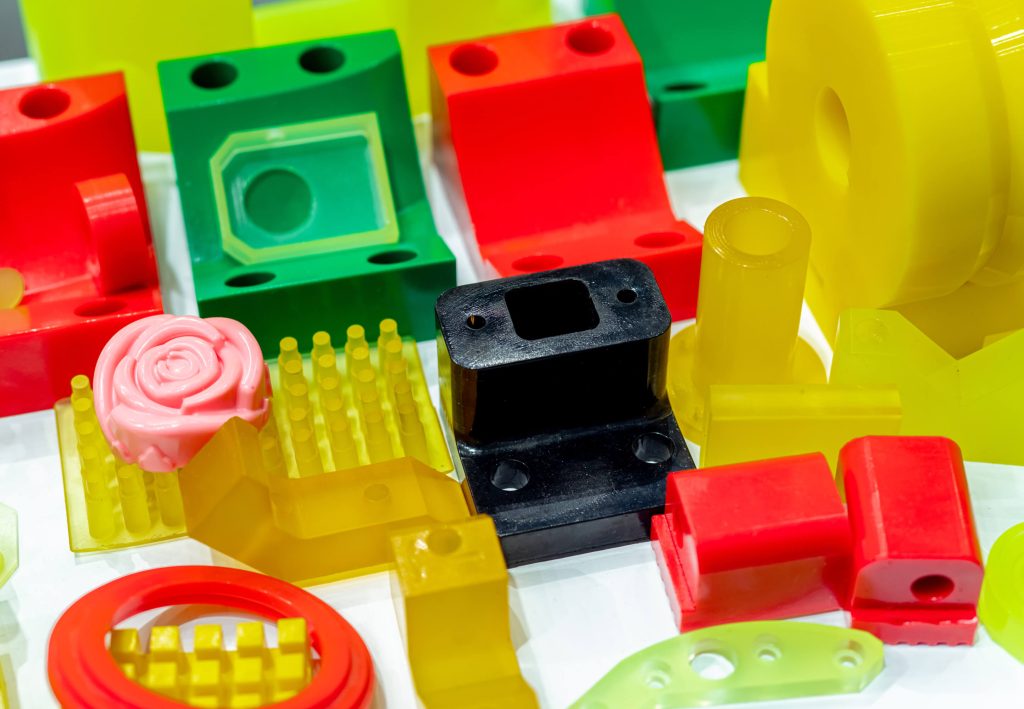
Cast urethane molding is used across many industries for a wide range of applications,
Aerospace
The light weight of cast urethane parts make them a popular option for aircraft interior components. For spacecraft, heat shields and tooling components are sometimes made using this method.
Medical
Cast urethane’s versatility and low cost makes it a viable option for catheters, medical tubing, surgical drains, prosthetic limbs and handles for medical instruments.
Automotive
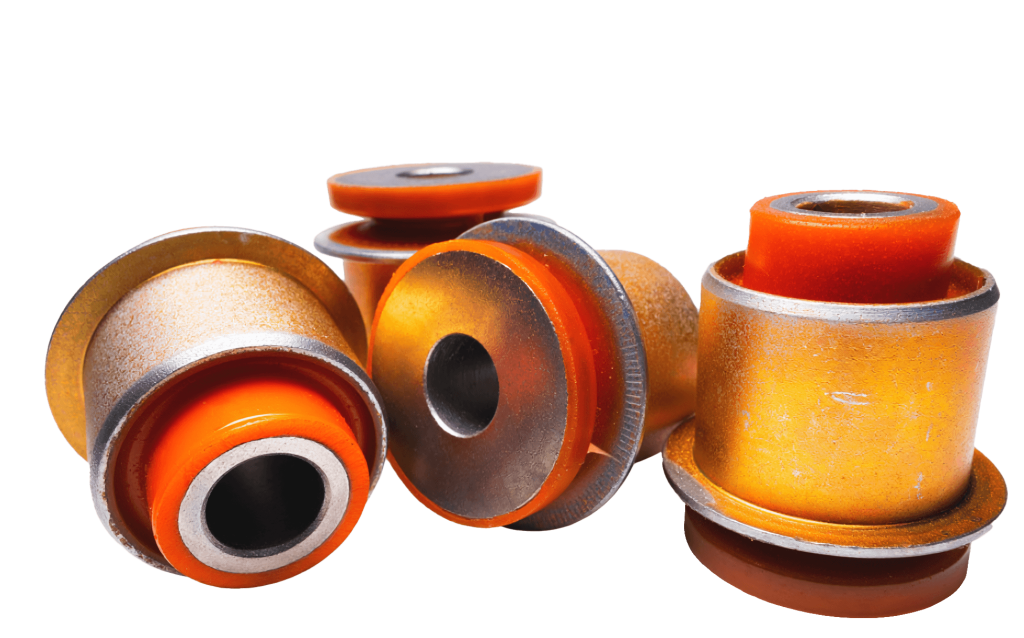
Cast urethane parts have found a surprising range of uses in today’s automobiles, including bumpers, door panels, dashboards, seats and suspension bushings and gaskets.
Electronics
The durability of cast urethane parts means they’re favored for electronic device casings and enclosures as well as to provide protective outer layers for components against abrasion and impact.
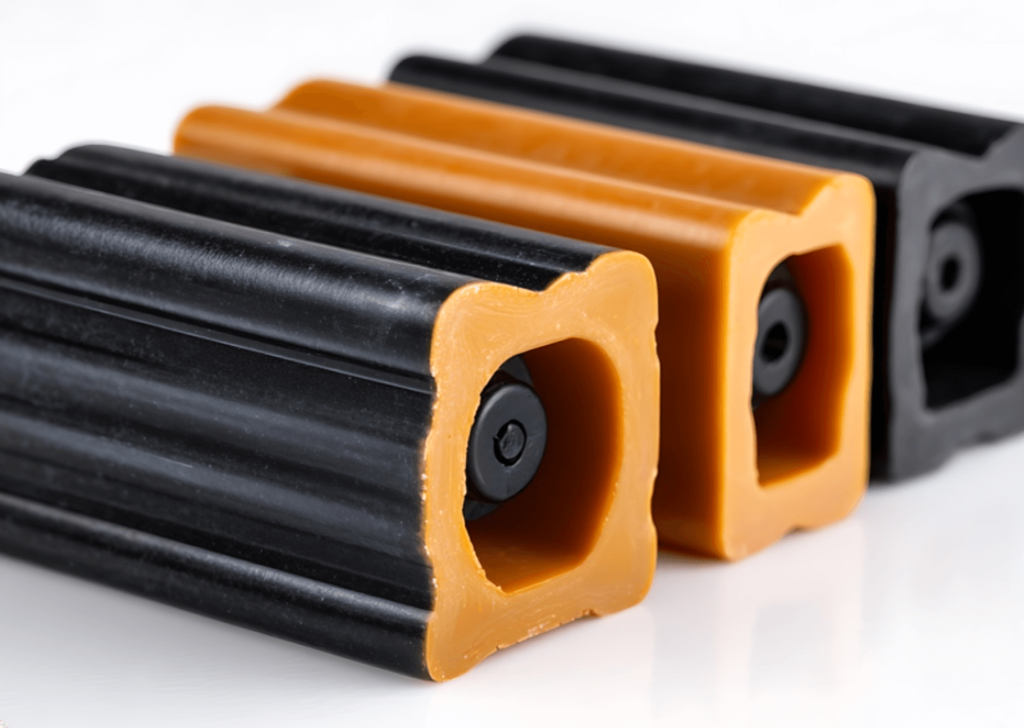
Case Studies
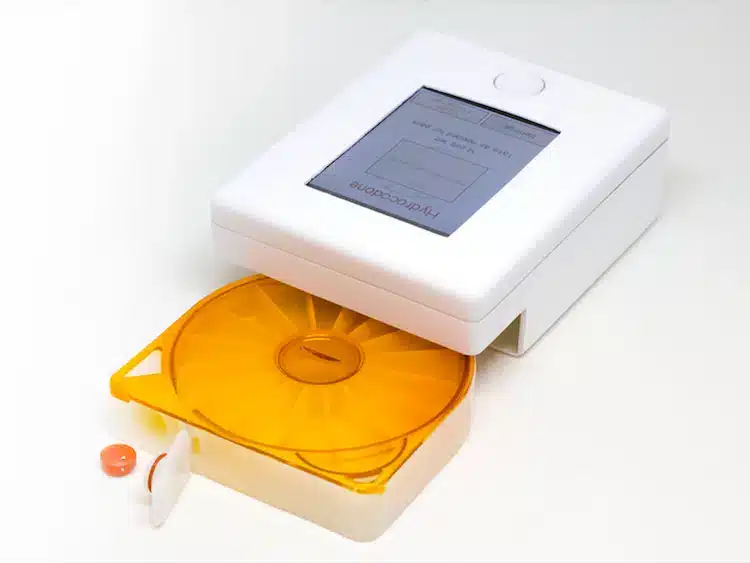
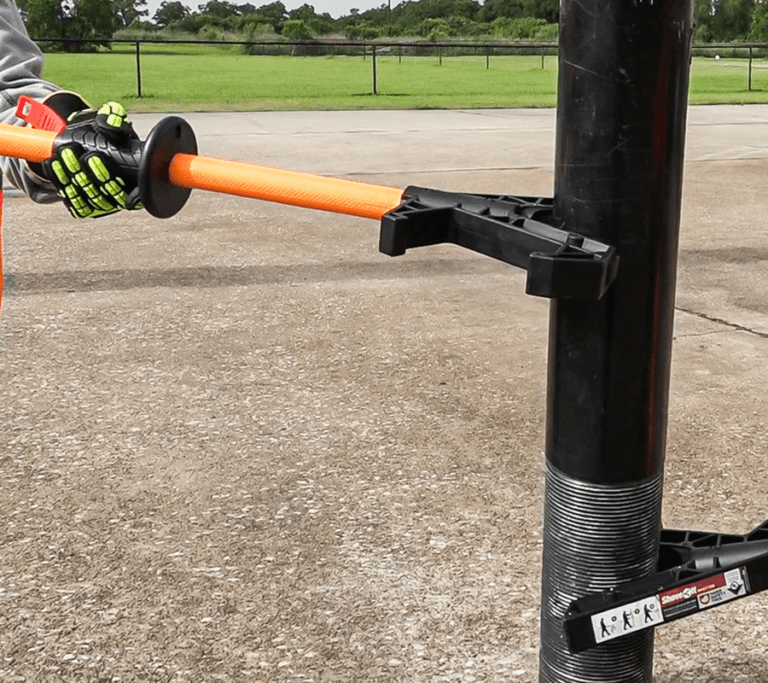
Dial In Your Urethane Casting Material Selection
Explore durometers, mechanical properties, and finishing options for urethane casting. Perfect for teams needing molded-quality parts without the tooling investment.
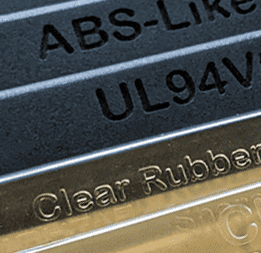
What Can Urethane Casting be Paired With?
Overmolding enables designers to create parts with rigid and flexible parts, such as armrests and door handles, consumer products with two-tone designs and products with grippable surfaces. It’s also commonly used in the medical industry to create components that are easier to clean for use.
Polyurethane is easy to bond to other materials, such as plastic, metal and wood.
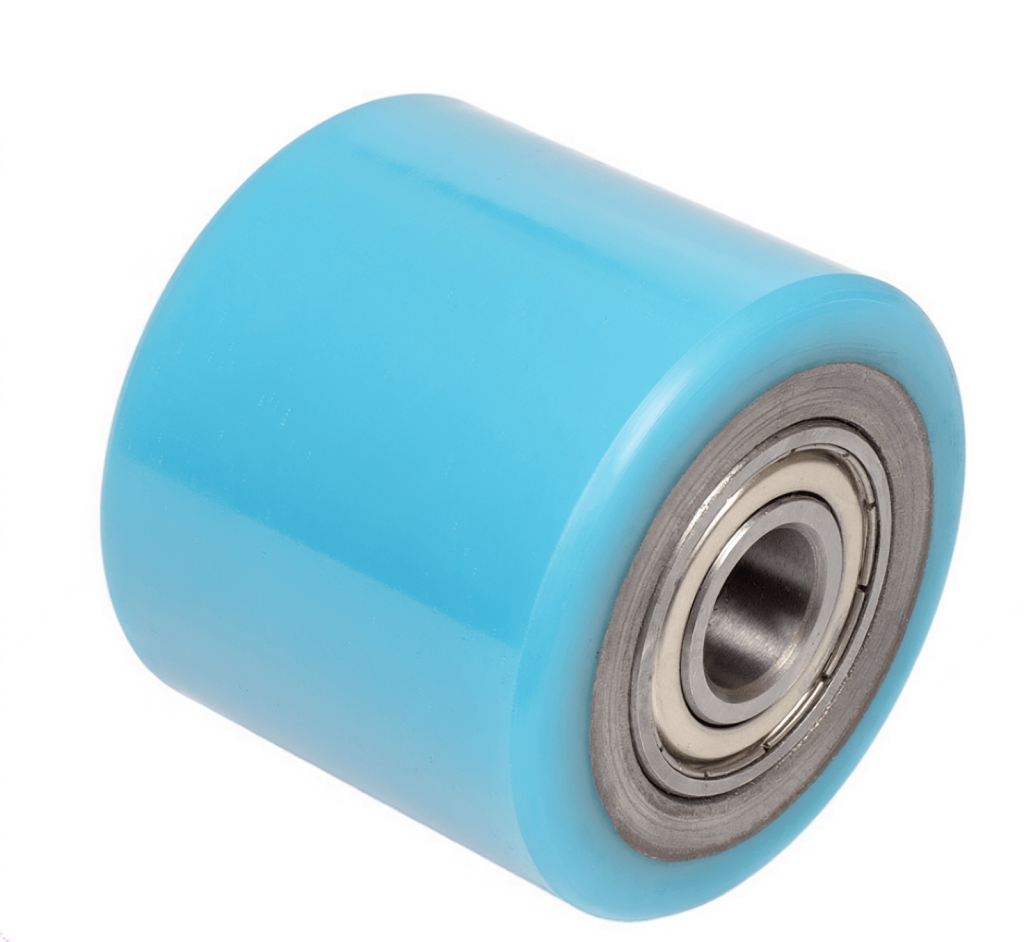
Traditional Technologies That Can Benefit from Urethane Casting
Many design engineers don’t realize that urethane casting is a viable and affordable alternative to producing small quantities of parts using injection molding. It produces parts with a surface finish and mechanical properties that are similar to injection-molded parts, making it ideal for late-stage prototyping and bridge production.
It’s also well-suited to parts with complex geometries and fine details.
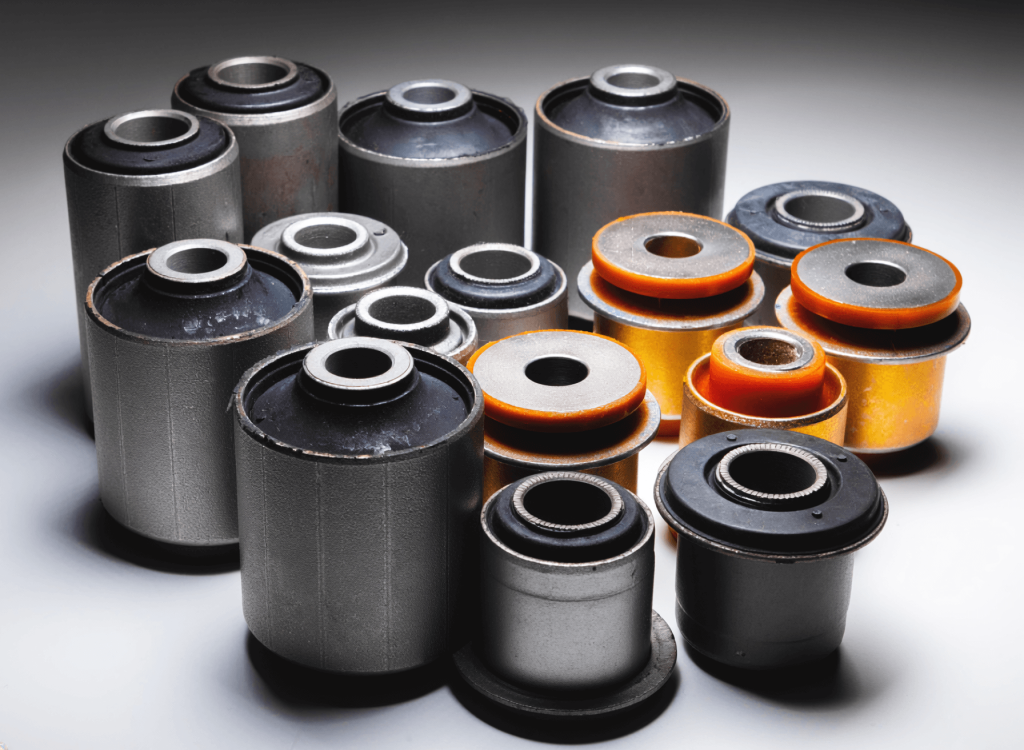
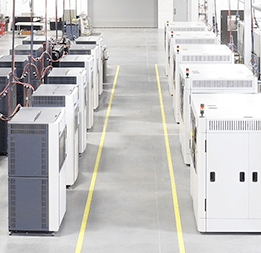
Explore Fathom’s Full Range of Manufacturing Equipment
Download our complete machine list for a detailed look at our capabilities across CNC machining, additive, molding, and fabrication.
Why Choose Fathom for Urethane Casting?
-
The Fathom team has extensive experience helping our customers optimize their part designs for urethane casting.
-
We utilize overseas partners to produce our urethane parts, which helps keep them affordable.
-
We can help you quickly validate and finalize your prototype part designs before committing to injection mold tooling