Water Jet Cutting
-
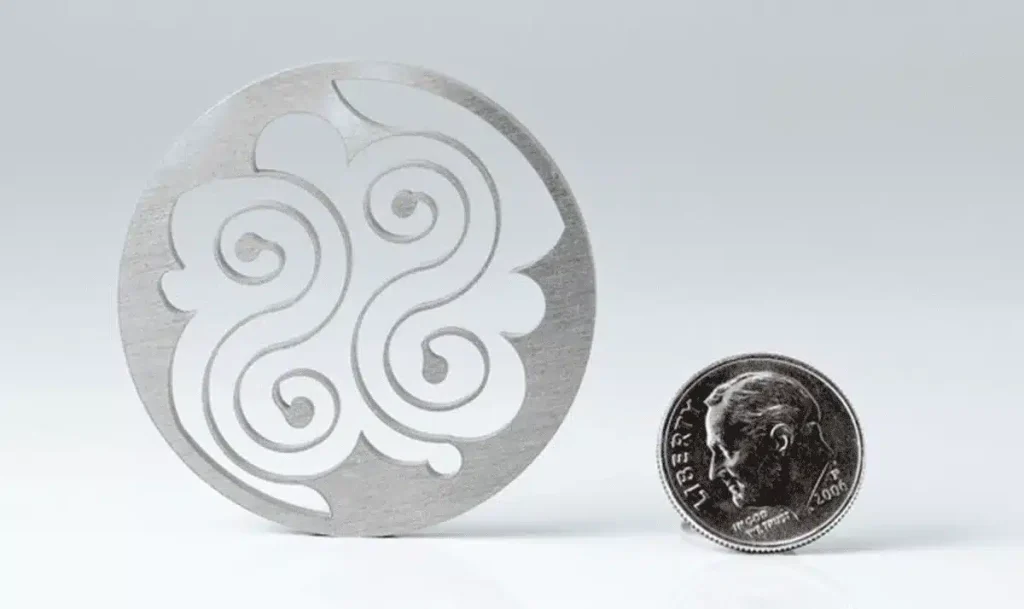
Ideal for Intricate Designs
-
High Cutting Accuracy & Tight Tolerances
-
No Heat-Affected Zones
Trusted by Industry Leaders


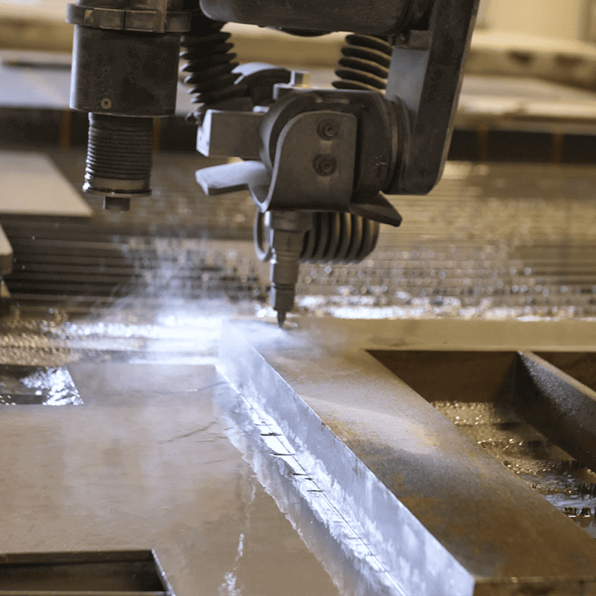
How Water Jet Cutting Works
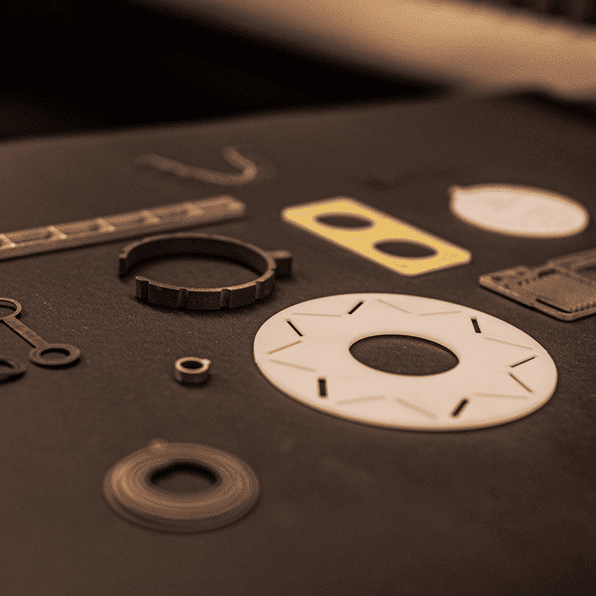
Advantages of Water Jet Cutting
Advantages
-
Material Versatility
Water jetting cuts virtually any material: From metal and stone to composites and even food, water jet cutting is extremely versatile. It can also cut bonded and laminated materials.
-
Complex Shapes & 3D Cutting
This technology can handle intricate designs and, with 5-axis cutting heads, can produce beveled edges and 3D shapes.
-
No Heat-Affected Zones
Water jet cutting doesn’t generate heat, which prevents damage from warping, distorting or hardening the material’s edge.
-
Can Cut Thick Materials
Water jets can cut through very thick materials, sometimes exceeding 10 inches, while maintaining accuracy.
-
Cost-Effective
Water jet cutting is efficient because of its fast setup and programming and by nesting parts closer together, it minimizes material waste
Disadvantages
-
Reduced Accuracy with Thick Materials
As material thickness increases, the cutting jet stream can spread and become less accurate, causing a diagonal cut rather than a straight one.
-
Slower Cutting Speed
Compared to other cutting methods, water jet cutting is often slower, which reduces output.
-
Inner Corner Radius Can’t be Eliminated
Water jets cannot create perfectly sharp inside corners and will leave a small radius equal to the width of the jet stream.
Applications That Can Benefit From Water Jet Cutting
Aerospace
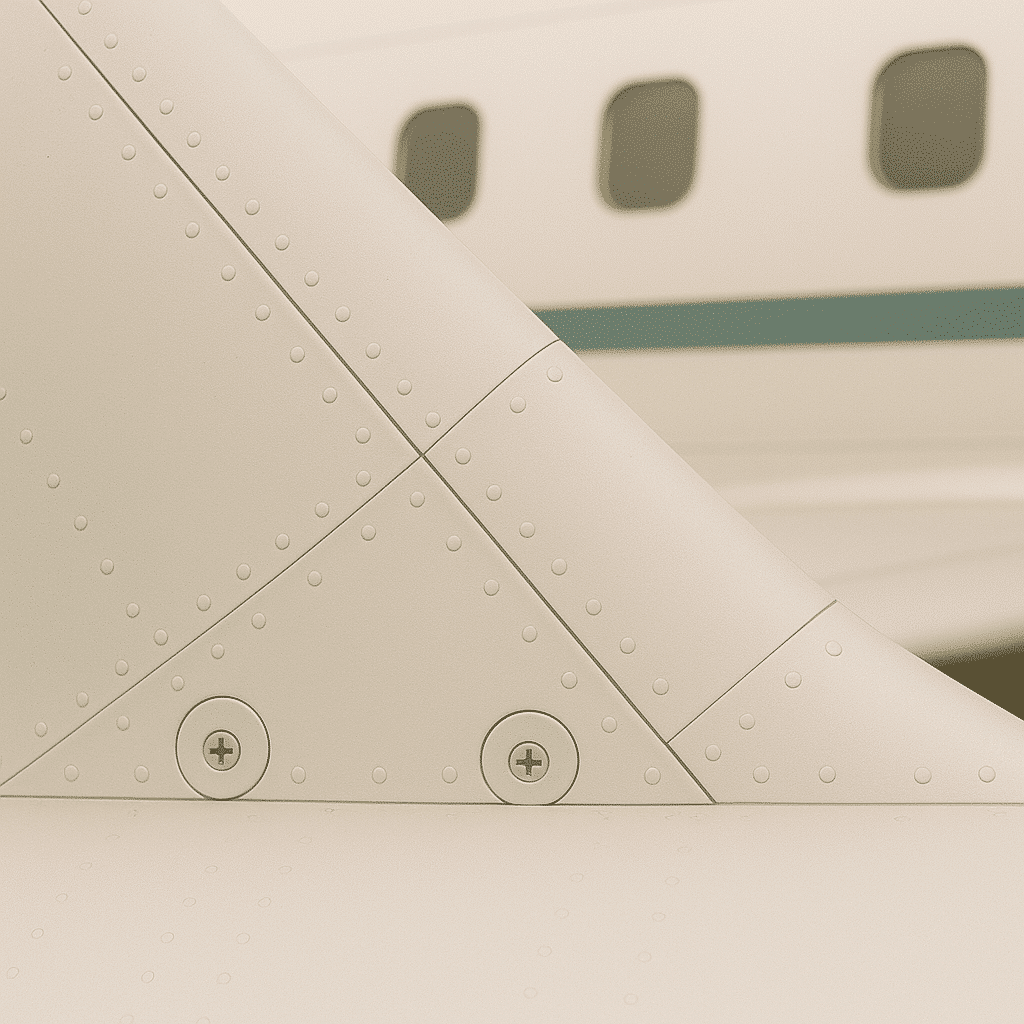
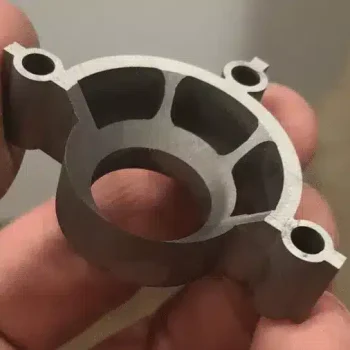
Water jet cutting is ideal for cutting tough metals, such as titanium and aluminum. They are widely used for aerospace and defense applications because of their combination of high strength and light weight.
Medical
Medical components need to be strong and light. That’s why water jet cutting is a preferred technology for creating components for medical device, prosthetics and surgical instruments.
Electronics
Water jet cutting is ideal for cutting high-precision components for electronic devices.
Automotive
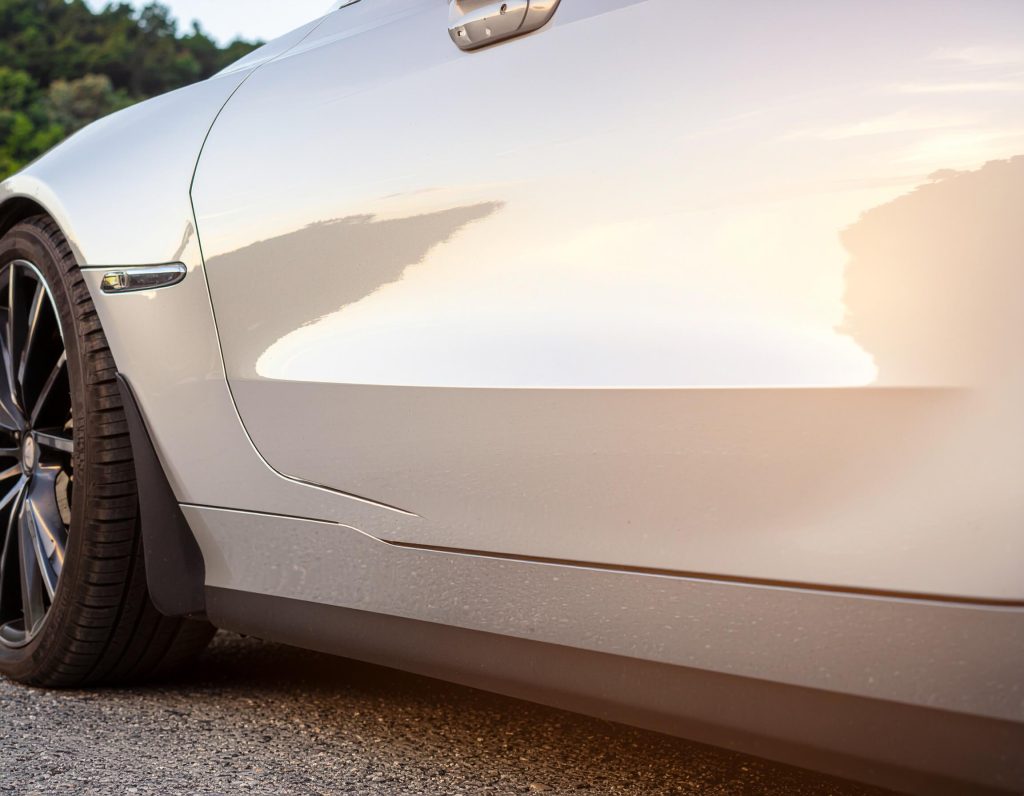
Water jet cutting is favored for cutting dashboard, door panel and custom components for today’s automobiles.
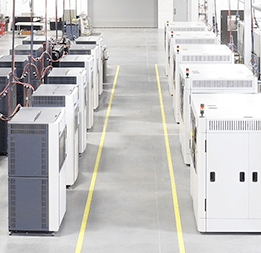
Explore Fathom’s Full Range of Manufacturing Equipment
Download our complete machine list for a detailed look at our capabilities across CNC machining, additive, molding, and fabrication.
What is Micro Water Jet Cutting?
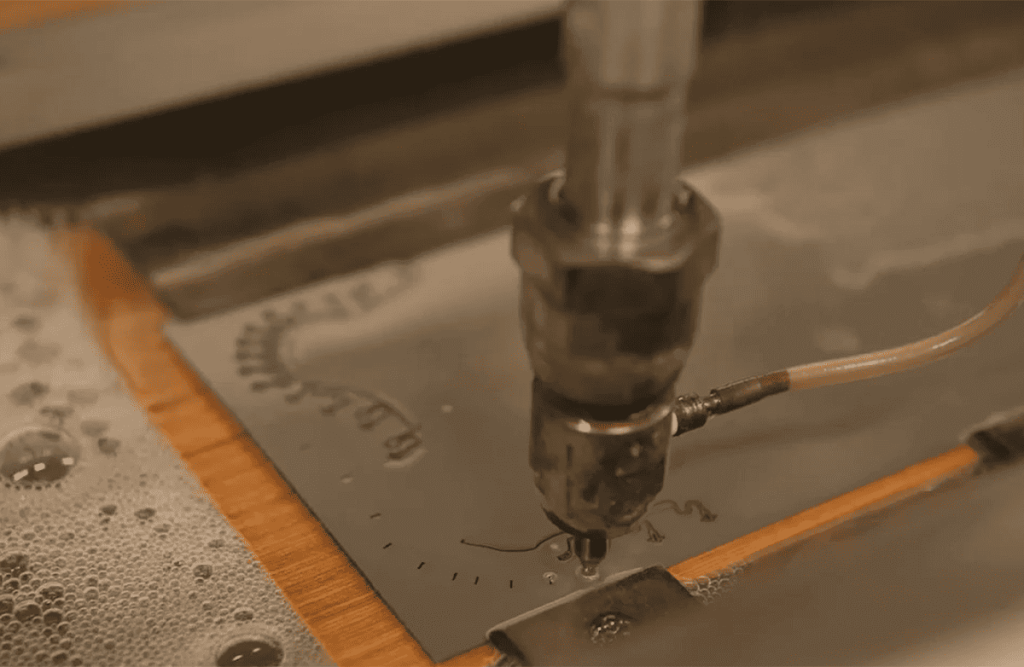
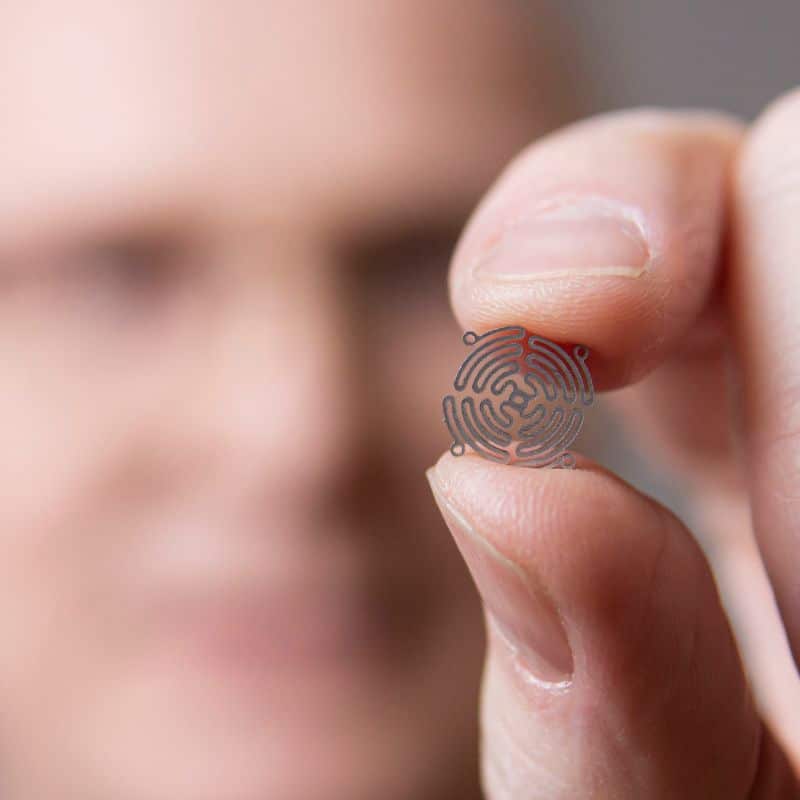
When you need exceptional precision for your highest tolerance metal parts, micro water jet cutting can help you achieve the results you seek. Fathom’s micro water jet machines can cut materials up to 0.5 inches thick with a tolerance of 0.0005″- 0.005″. It’s faster than cutting fine features with EDM and doesn’t create heat-affected zones.
Micro water jet cutting is especially valuable for parts that require precise blanks with high tolerances that must be bent into complex shapes. It’s equally well-suited to rapid prototyping and production applications.
Micro Water Jet Cutting Specifications
Micro water jet recision cutting provides higher accuracies and tighter tolerances than standard cutting processes:
- Position accuracy 0.0001 in. (0.003mm)
- Feature and contour accuracy +/- 0.0004 in (0.01mm)
- Kerf width 0.009 in (0.2 mm) min.
- Kerf width 0.0118 in. (0.3 mm) min. with abrasive
- Maximum workpiece size 24 x 39 inches (600 x 1000 mm)
Download a Data Sheet for the Finecut™ WMC500II Micro Waterjet System
Review the precision capabilities, tolerances, and application strengths of the Finecut™ WMC500II.
Why Choose Fathom for Water Jet Cutting?
-
We have decades of experience doing water jet and micro water jet cutting for high-precision parts.
-
We specialize in quick turnaround of prototype sheet metal parts.
-
We can handle your metal forming projects from concept and prototyping to production – one point of accountability.