Skip to content

Fathom is hiring for multiple positions across our nationwide sites! To see all open positions, click here

Photochemical Etching

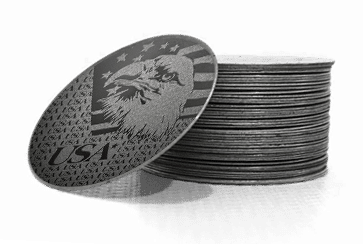
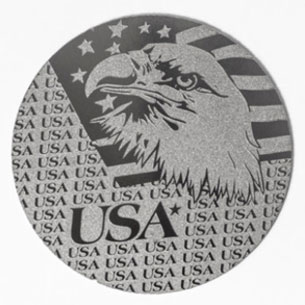
  • Ideal for Permanently Marking Flat Metal Parts

  • Can be Integrated into the Machining Process

  • Ideal for Part Tracking & Identification
Get a Quote
Trusted by Industry Leaders
Parasoleil
Teradyne
Intel
Applied Materials (AMAT)
Safran
“We were really struggling to find anyone who could cut a certain type of heavy-duty glass. Everyone told us it couldn’t be done, so when we reached out to Fathom, we expected to hear the same thing. Instead, a few days later, they called back with a plan. They had tracked down the people who actually developed that glass and worked directly with them to figure out a solution. That’s the type of approach we have come to know from our Fathom team.”
Lead Engineer
Defense Contractor
“Fathom has been a strong partner on our EV programs. They helped us optimize a few key components for weight and manufacturability, and they consistently hit the tolerances we need. Their fast turnaround times have kept our development cycles moving, which is critical in EV work.”
Senior Manufacturing Engineer
EV Systems Supplier
“For the sheet metal components in our semiconductor tools, we need parts that are accurate, flat, and consistent across every run and Fathom has delivered that every time. Their responsiveness has made a noticeable difference in our development cycles.”
Senior Mechanical Engineer
Major Semicon Manufacturer
“With their response time, quotes and communications, Fathom is highly regarded because they are always upfront. They say what they do and do what they say.”
John Doe
Consumer Technology Company
“When I need reliable, accurate flat parts, Newcut is my first choice of suppliers. Their commitment to quality is top notch. With fast turnaround times on parts and even faster times on quotes, my projects are never behind. I can spend the time saved by Newcut’s quick response on developing and delivering the best product to our customers.”
Derek H. / New Product Development Manager
Leading international contract manufacturer
“The broad range of manufacturing services provided by Fathom all under one roof combined with their deep technical expertise is unique. By leveraging the company’s on-demand platform, we sourced from one proven supplier that made the overall process seamless. Their flexible solutions paved the way so that we could iterate more efficiently and speed our time to market, a big advantage for us. Fathom executes at a very high level, and we intend to partner with the company on other projects going forward.”
Manufacturing Engineer
VSi Parylene
prev
next

How Photochemical Etching Works
01 Preparation & Imaging

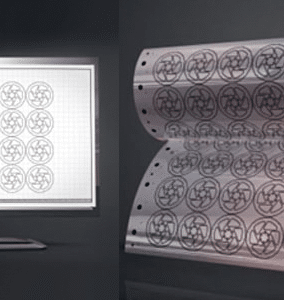
A metal sheet is cleaned and coated with a photosensitive material called a photoresist. A high-resolution mask is created from a CAD drawing of the desired part, which includes any markings such as logos or part numbers. Photoresist-coated metal is exposed to UV light through the photo tool. The light hardens the photoresist in the exposed areas, while the unexposed areas remain soft.

PhotoChem_Process_1
01 Etching

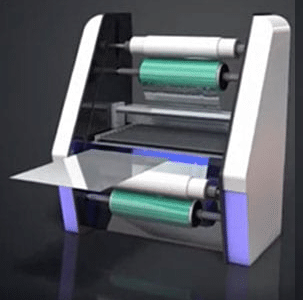
The soft, unexposed photoresist is removed during a developing process, leaving the metal beneath it exposed. The metal sheet is then sprayed with a chemical etchant, such as ferric chloride, which dissolves the exposed metal areas but does not affect the hardened photoresist. Marking is done by half-etching the metal. This creates a permanent, recessed mark that is integral to the part itself, without compromising the material’s integrity.

PhotoChem_Process_3
01 Finishing

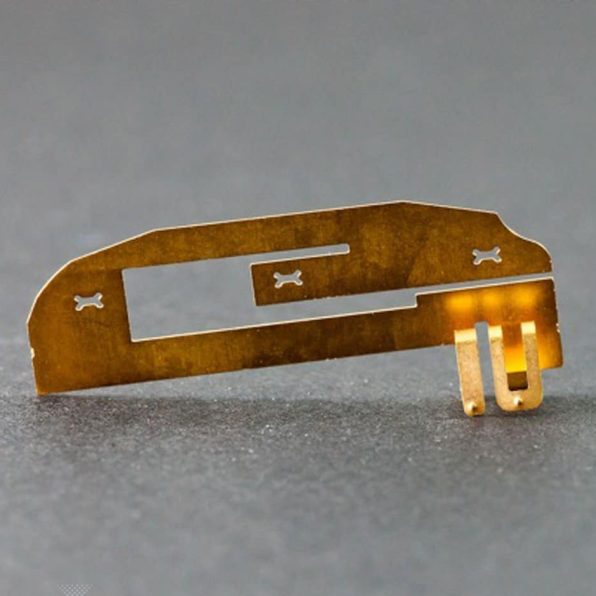
Once the metal has been etched to the desired shape, the remaining photoresist is stripped from the part. This leaves a precisely shaped, burr-free metal component. Secondary operations, such as forming or plating, can be performed afterward. In many cases, the photochemical machined blanks are shipped to Icodema by Fathom for forming and post-processing.

DB-12_cropped

Is Photochemical Etching Right For Your Project?

Advantages

  • Fast Delivery

    Because no hard tooling is required, we can fulfill many orders within a few days. Complex part designs may take up to a week. Photo chemical etching produces multiple parts from a single sheet of metal. Little or no finishing is required.

  • No Changes to the Integrity of the Metal

    Many types of manufacturing, such as machining and laser cutting, can cause thermal stresses in the metal adjacent to the cut. They can also cause changes to the hardness, ductility or grain structure of the metal. Chemical milling doesn’t affect the internal structure of the metal.

  • Build Complex Yet Affordable Flat Parts

    Industrial chemical machining enables you to create parts with fine details and complex geometries that aren’t possible to make using hard tools. You can also use it to fabricate parts in dead soft or full hard material without burrs or metal distortion.

  • Low-Cost Tooling

    We produce films for photochemical machined parts directly from your CAD drawings. No hard tools or work-holding fixtures are needed. That helps to maximize the cost-effectiveness of photo chemical etching.

  • Easy, Fast & Inexpensive Prototype Parts

    Photochemical machining uses films to create parts. That means you can iterate your designs quickly and affordably. The same process we use to create prototype parts is used to make your production parts.

  • Burr-Free Parts

    Burrs are a common side effect of many types of metal processing. In contrast, the etching process produces a clean, smooth surface. It’s free of burrs and eliminates the need for manual finishing processes.

Disadvantages

  • Only For Thin Metal Parts

    Photochemical machining is limited to relatively thin metals (1.5 mm or less)

  • Some Dimensional Inaccuracies

    The etchant can sometimes undercut the edges of holes, leading to dimensional inaccuracies.

  • Only For Fabricating Flat Parts

    Photochemical machining is a 2D process. It cannot be used to produce 3D parts.

  • Process Variables Must be Strictly Controlled

    Inconsistent results can occur if process variables fluctuate, including etchant concentration, temperature or agitation.

  • Only For Marking New Parts

    Photochemical etching to mark parts can only be done during the photochemical machining process. It is not a marking method for existing parts. Those are usually marked via laser or mechanical engraving.

Photochemical Etching Builds Uniquely Valuable Parts

Aerospace Parts

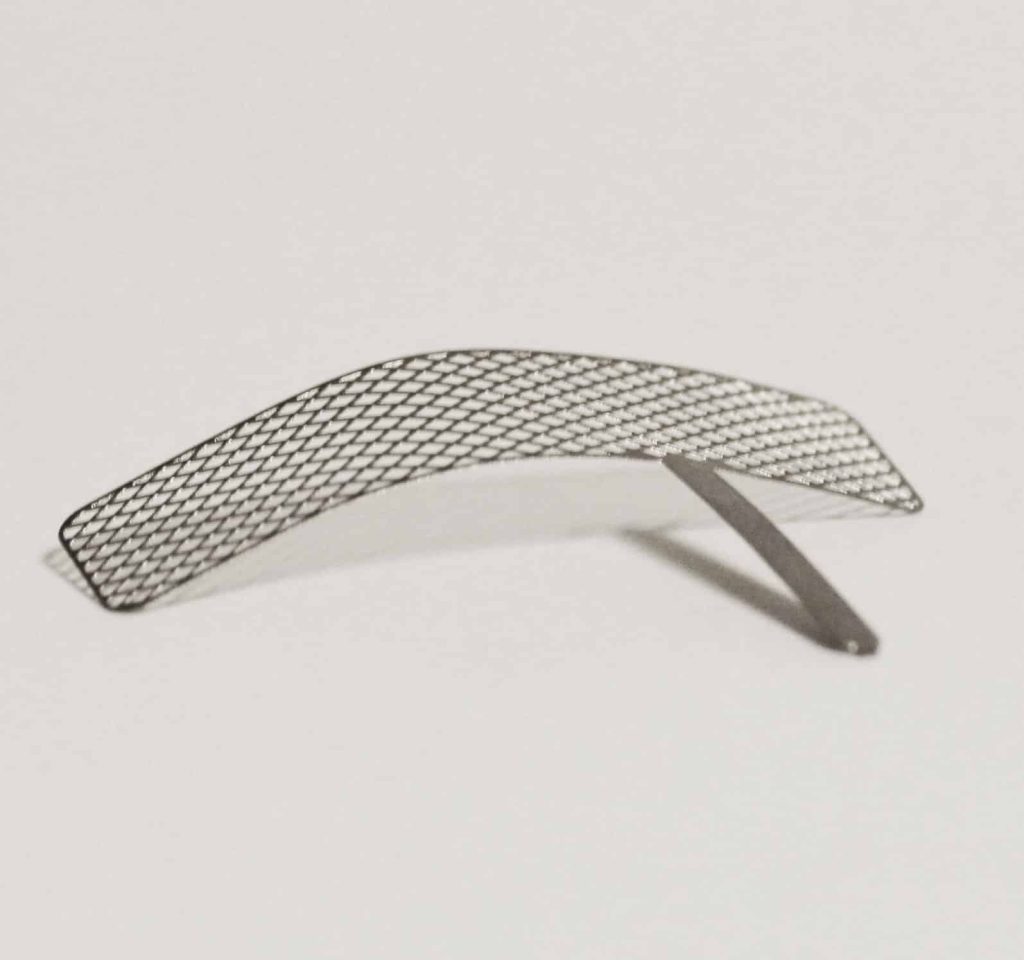
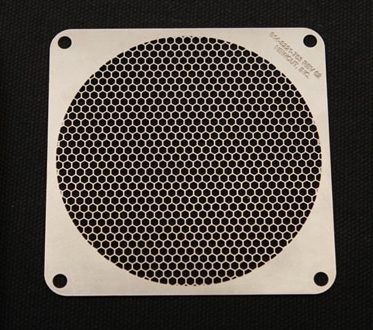
Photochemical machining is used to build precision components for aerospace and defense applications, including fine mesh screens for aircraft engines and fuel systems, flat spring electrical contacts and sensor components.

Medical Applications

The medical industry requires precision parts for many applications. Photochemical machining is used to make stents and filter meshes, micro-scalpels and sensor components.

Automotive Components

Photochemical machining is used to make small, complex parts for today’s vehicles, including battery terminals, speaker grills, washers and EMI shielding.
DSC_0232-cropped
18_mg_9386_crop

Designing for Photochemical Machining

Engineers need to consider several important rules when designing parts for photo chemical etching. This helpful guide summarizes the best practices you need to keep in mind.
Get the Guide
PCEGuide

Explore Fathom’s Full Range of Manufacturing Equipment

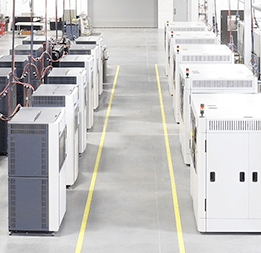
Download our complete machine list for a detailed look at our capabilities across CNC machining, additive, molding, and fabrication.
Download Machine List
thumbnail_download_machinelist

Why Choose Fathom for Photochemical Etching?


  • Fathom has the expertise to meet your requirements for flat, burr-free parts.
  • We’ve been marking parts using photo chemical etching for over 50 years.
  • Our experts have over 30 years of experience helping customers optimize their part designs and material selections for this unique manufacturing process.

Get a Quote
chemical-etched-parts-15