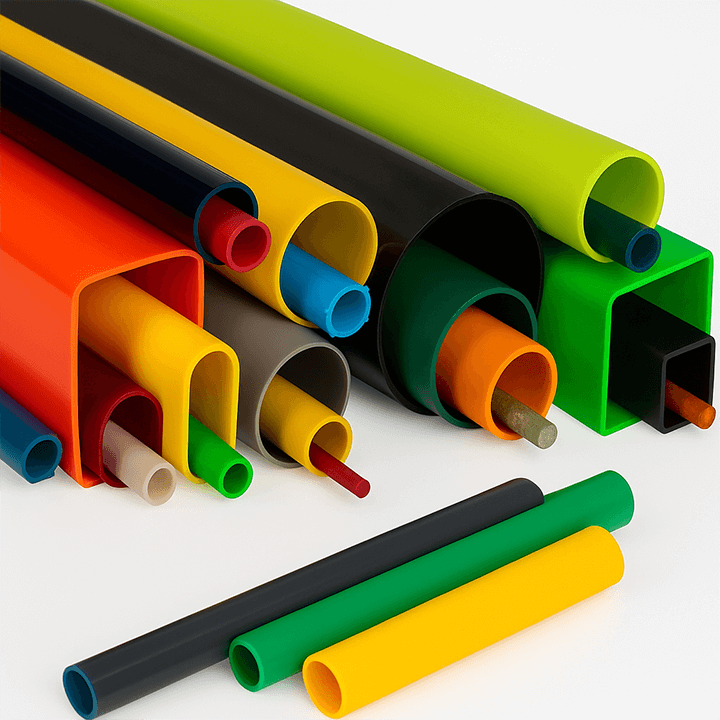
Plastic Extrusion
-
Long & Cost-Effective Production Runs
-
Consistent Quality and Smooth Finish
-
A Versatile Process for Many Needs
Trusted by Industry Leaders


How Does Plastic Extrusion Work?
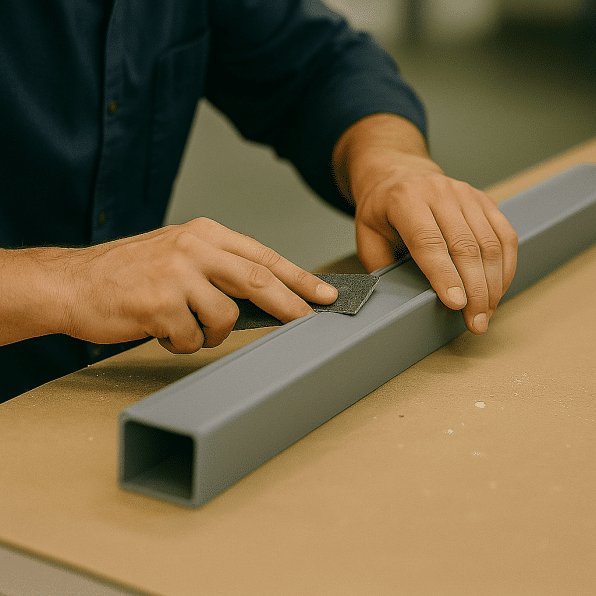
Is Plastic Extrusion A Fit For Your Needs?
Advantages
-
Cost-Effective
The continuous plastic extrusion process combines high production efficiency with minimal material waste. It is a cost-effective choice for large-scale manufacturing runs.
-
Consistent Quality
Plastic extrusion lends itself to consistency – especially uniform material flow and proper sizing. This results in smooth surface finishes and high quality across long production runs.
-
Flexibility
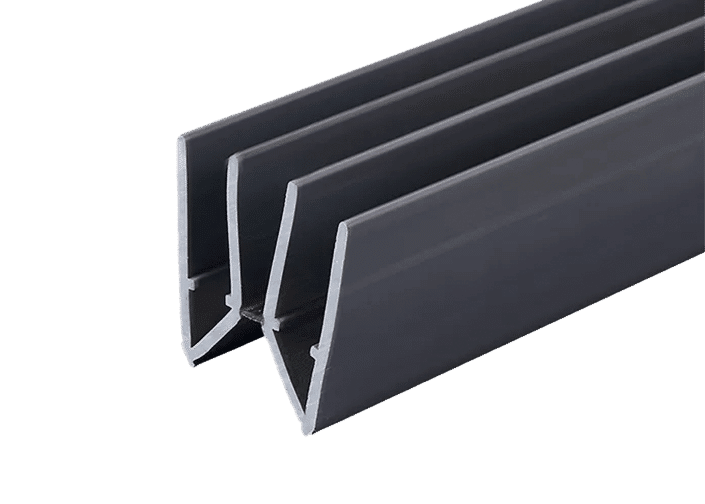
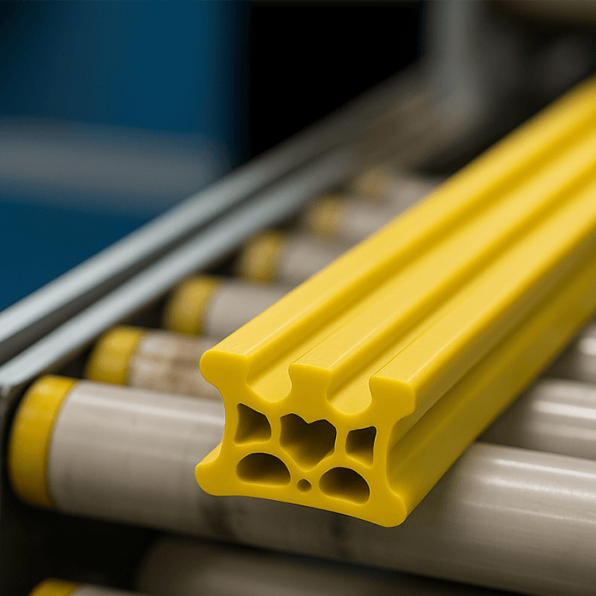
Custom-designed dies enable the production of complex cross-sections. This helps manufacturers meet specific design and application requirements.
-
Versatile Materials
A wide variety of thermoplastics can be used – with each offering different properties such as strength, flexibility or UV resistance. Products therefore can be tailored to a variety of applications, both indoor and outdoor.
Disadvantages
-
Initial Costs
Creating custom dies and tooling involves significant upfront investment. This makes plastic extrusion impractical for prototyping or short production runs.
-
Limited Shapes
Extrusion is best suited for parts with uniform cross-sections. Complex or irregular shapes with varying profiles are better suited to molding or machining methods.
-
Shrinking and Swelling
Plastic materials can expand when leaving the die – and contract during cooling. Achieving extremely tight tolerances can be challenging.
What Industries Are The Best Fit For Plastic Extrusion?
Plastic extrusion supports multiple industries through its long-run efficiency and uniform properties.
Construction
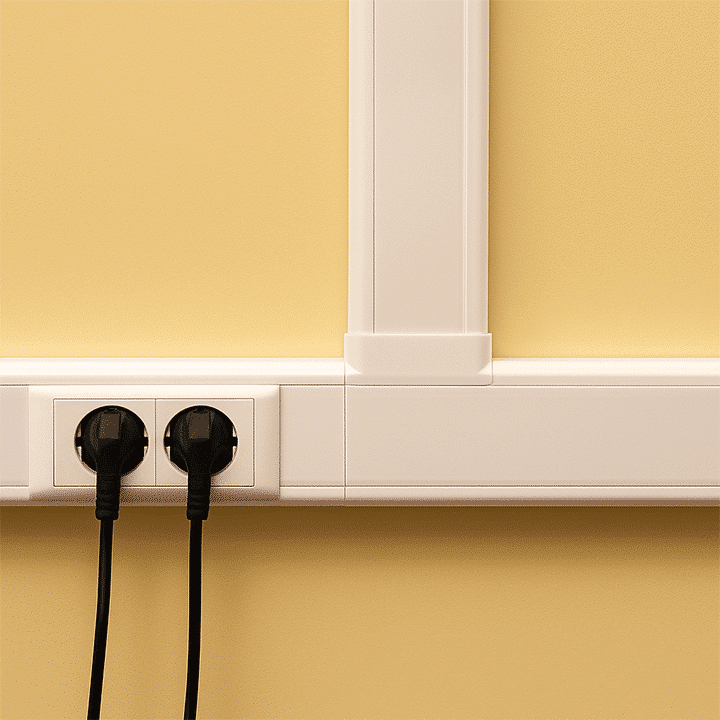
Plastic extrusion is used to make pipes and tubing for plumbing, drainage systems and electrical conduit. Other common products include window and door frames, deck planks and siding.
Automotive
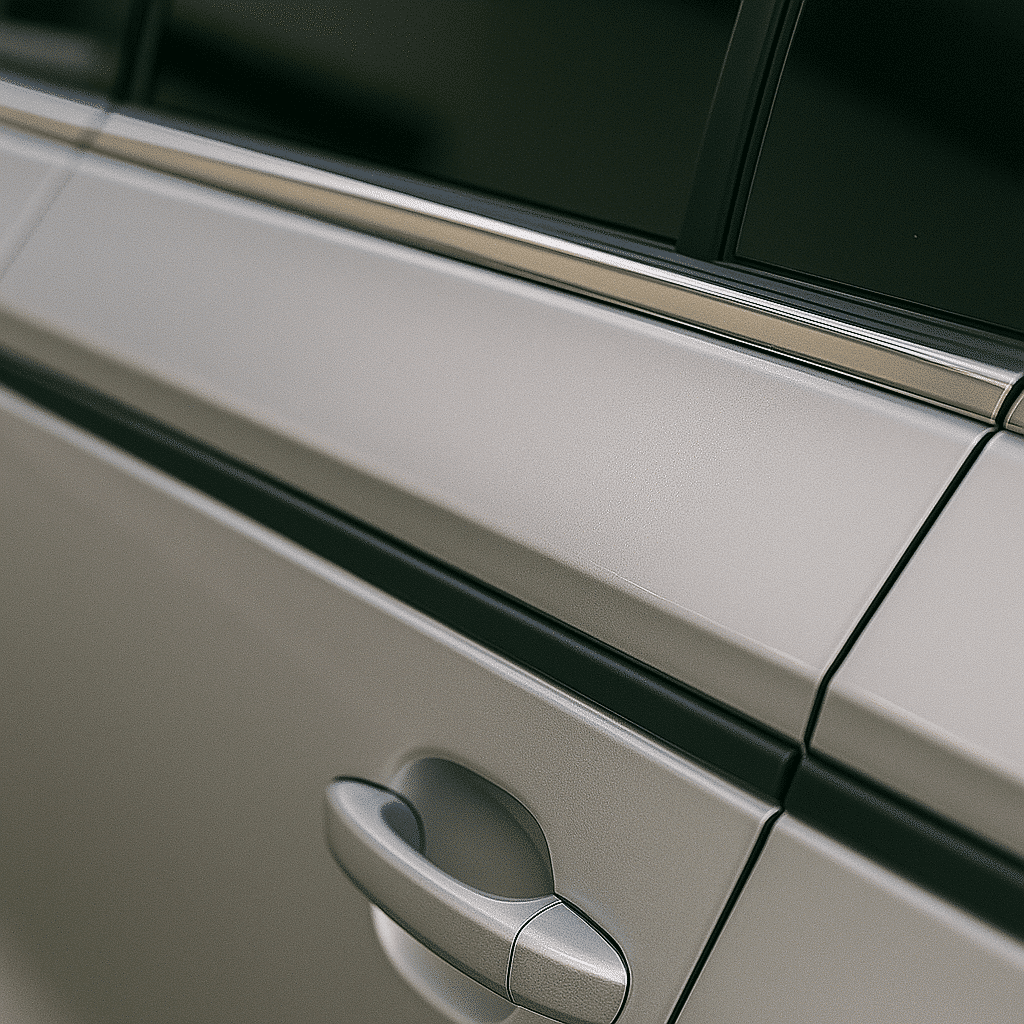
Extruded plastics are used for weather seals, gaskets, interior trim and protective coatings for wires and cables. These parts provide durability and excellent resistance to heat and moisture.
Consumer Goods
Plastic extrusion is used to make many household items like storage containers, window blinds and decorative trim.
Medical
Plastic extrusion is essential for producing medical tubing, catheters and components. Its ability to create smooth, sterile and uniform products makes it ideal for healthcare.
Explore Fathom’s Full Range of Manufacturing Equipment
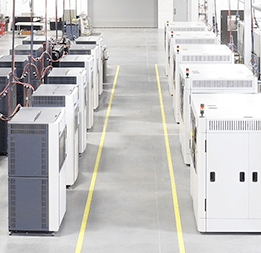
Download our complete machine list for a detailed look at our capabilities across CNC machining, additive, molding, and fabrication.
Why Choose Fathom for Plastic Extrusion
-
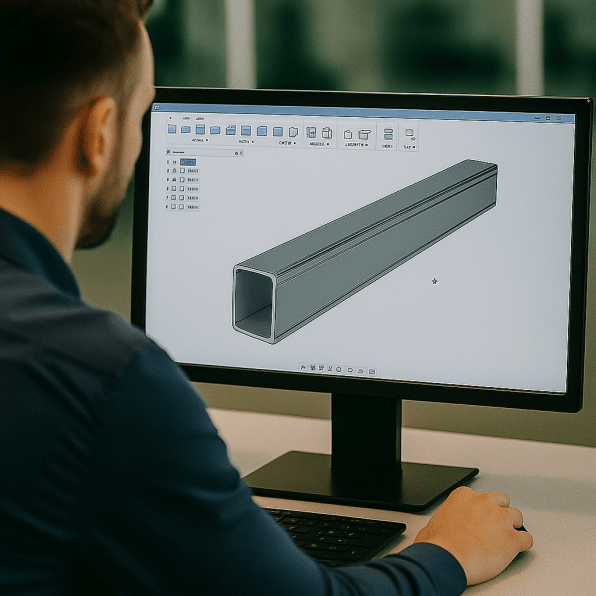
Our expert engineers will help you optimize your part designs for production.
-
Our engineering and production teams bring decades of expertise and problem-solving to every project.
-
We offer manufacturing and full post-processing capabilities under one roof for one point of accountability
-
We’re your partner from design and prototyping to bridge and full production.