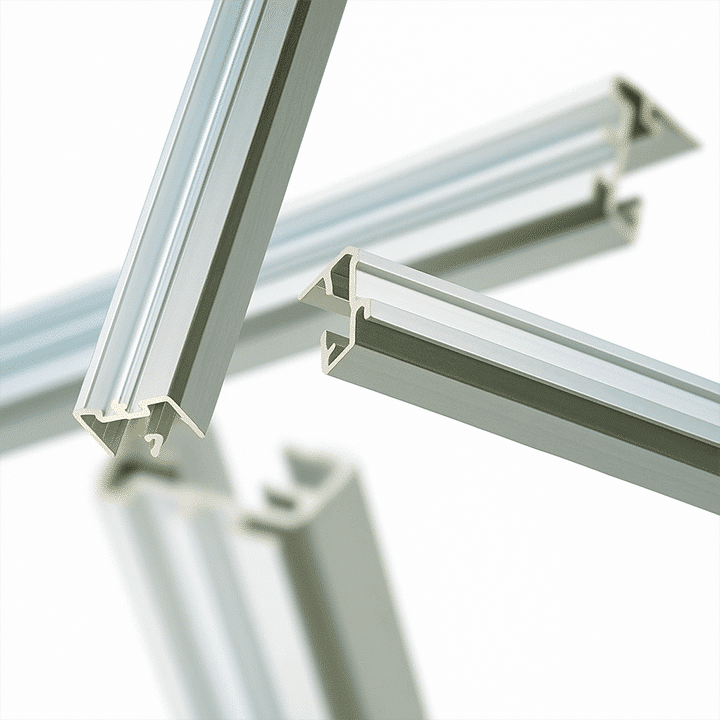
Metal Extrusion
-
High-Volume Production of Complex Shapes
-
Ideal for Structural & Load-Bearing Applications
-
A Wide Range of Materials Are Available
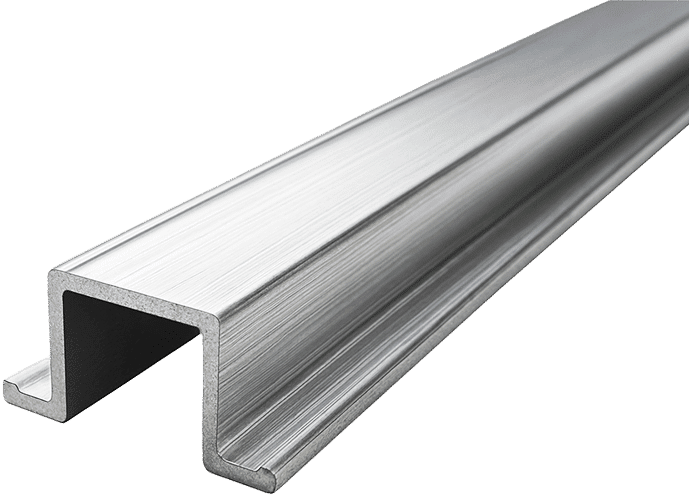
Trusted by Industry Leaders


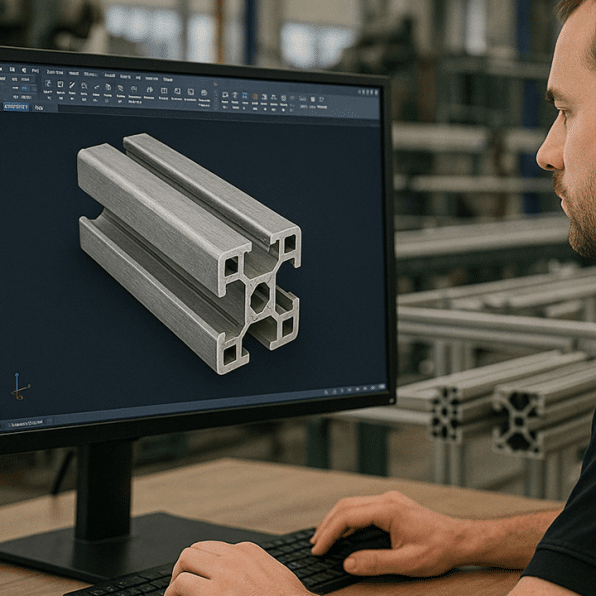
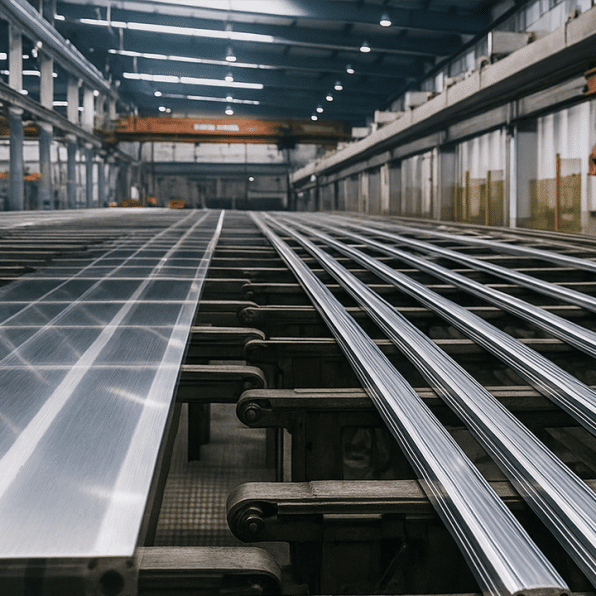
How Does Metal Extrusion Work?
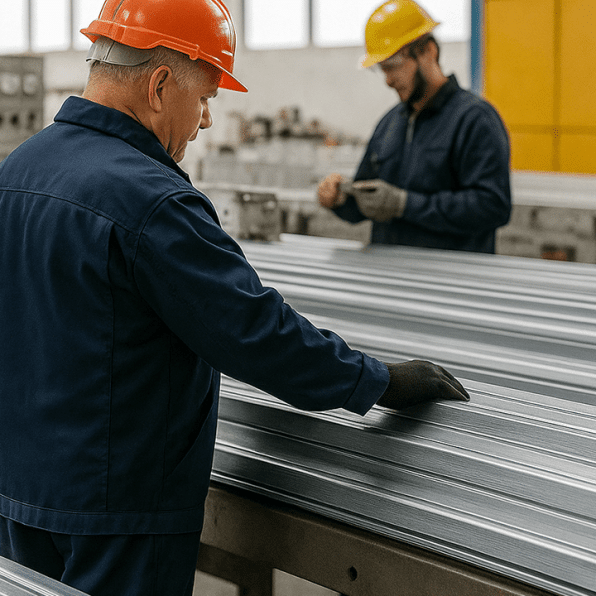
Is Metal Extrusion a Fit for Your Business?
Advantages
-
Complex, Uniform Shapes
Metal extrusion can create long parts with intricate cross-sections that would be difficult or impossible to machine. The consistent flow of material through the die ensures the shape remains constant.
-
Reduced Waste
Most of the billet material becomes part of the final product, reducing scrap and improving cost efficiency. Savings can be substantial on high-volume projects.
-
High-Quality Finishes
The pressure and controlled metal flow results in smooth surfaces and precise dimensions. This often reduces or eliminates the need for additional finishing.
-
Improved Mechanical Properties
Aligning the metal’s grain structure with the direction of the extrusion increases strength. This directional grain flow is essential in structural and load-bearing applications.
-
Varied Materials and Shapes
A wide range of metals can be utilized, including aluminum, copper, steel and magnesium alloys. Extrusion can produce everything from simple rods and tubes to highly complex profiles.
-
Ready for High Volumes
Extrusion is well-suited for continuous manufacturing, allowing long lengths of product to be produced in a single run. This efficiency reduces production time and improves consistency, making it ideal for high-volume applications.
Disadvantages
-
High Initial Costs
Designing and creating metal extrusion dies can be expensive. This makes it impractical for small production runs and prototype work.
-
Careful Monitoring
Excessive friction or uneven heating can cause surface defects, tearing or dimensional inaccuracies. Careful monitoring of processes and lubrication are essential for consistent extrusion quality.
-
Material Limitations
Not all metals are equally suitable for extrusion. Some high-strength alloys are difficult to process and may require higher pressures, specialized equipment or alternative forming methods.
What Applications Are The Best Fit For Metal Extrusion?
Industries that require strong, precisely shaped components often utilize metal extrusion. They also benefit from long production runs that minimize costs.
Construction
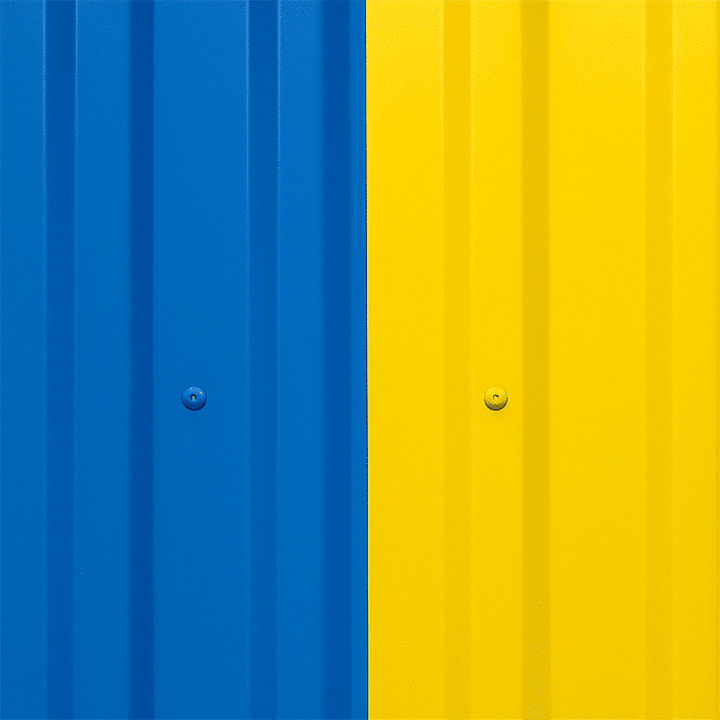
Metal extrusion is often used to create structural components for the building industry. Products include door frames, roofing panels, beams, channels and supports – which all require uniform cross-sections for easy assembly.
Automotive
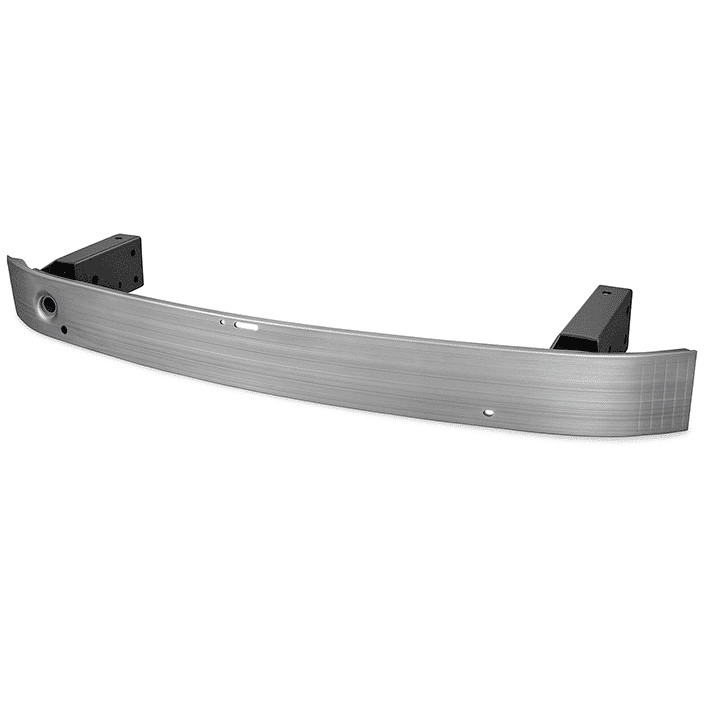
Aluminum extrusions are commonly utilized for chassis components, bumpers and engine parts. Extruded tubes serve as safety reinforcements in vehicle structures.
Electronics
Copper and aluminum extrusions are employed for cable conduits and heating components. Their complex cross-sectional shapes ensure efficient current flow and heat dissipation.
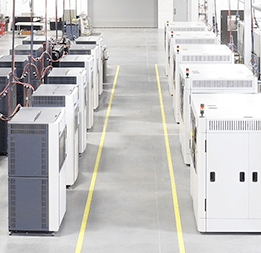
Explore Fathom’s Full Range of Manufacturing Equipment
Download our complete machine list for a detailed look at our capabilities across CNC machining, additive, molding, and fabrication.
Why Choose Fathom for Metal Extrusion
-
Our expert engineers will help you optimize your part designs for production.
-
Our engineering and production teams bring decades of expertise and problem-solving to every project.
-
We offer manufacturing and full post-processing capabilities under one roof for one point of accountability
-
We’re your partner from design and prototyping to bridge and full production.