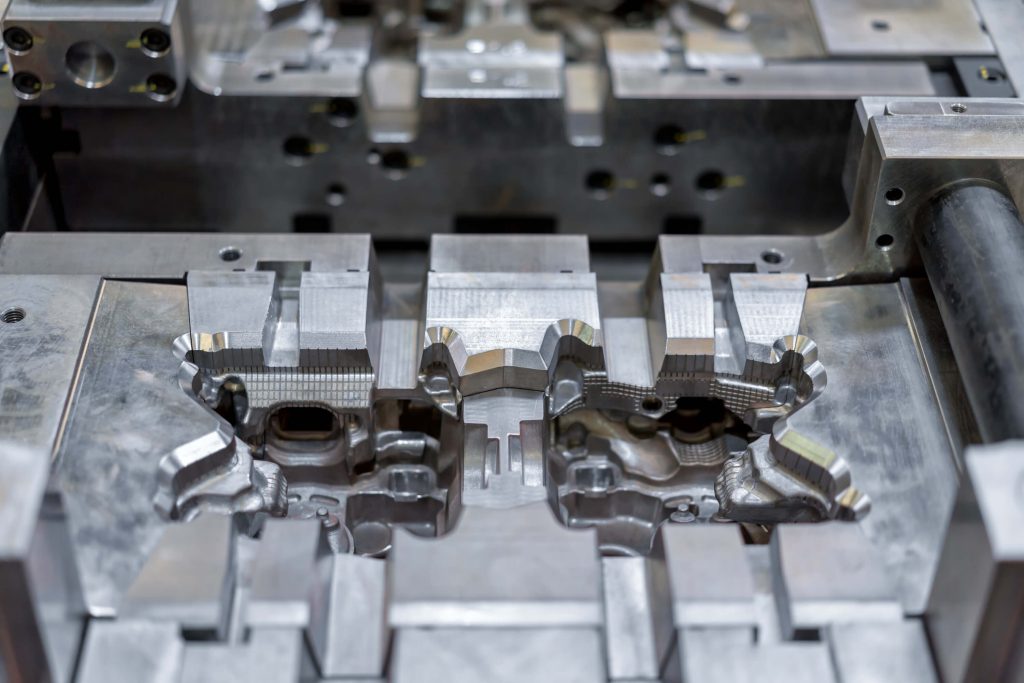
Vacuum Die Casting
-
Minimal Porosity for Stronger Parts
-
Produces Complex Parts with Fine Details
-
Excellent Mechanical Properties
Trusted by Industry Leaders


How Does Vacuum Die Casting Work?
Is Vacuum Die Casting a Fit For Your Needs?
Advantages
-
Reduced Porosity
VDC removes air and gases from the die cavity before metal injection, which significantly reduces porosity in the casting. It also prevents air entrapment, which can cause weak spots in castings. VDC results in stronger, more reliable parts with improved structural integrity.
-
Improved Surface Finish
This vacuum-assisted casting process minimizes defects such as gas pockets and surface blemishes. The casting often requires less post-processing to achieve a smooth, high-quality surface.
-
Enhanced Mechanical Properties
By reducing trapped gases and impurities, VDC produces denser metal with better tensile and fatigue strength. This makes the parts suitable for demanding applications like automotive and aerospace components.
-
Precision & Accuracy
Vacuum die casting allows for tighter dimensional tolerances and consistent reproduction of complex geometries. This reduces the need for extensive machining or corrective work after casting.
-
Reduced Shrinkage & Defects
The controlled metal flow under vacuum conditions helps prevent shrinkage, voids and other internal defects. This increases the yield of usable parts and reduces material waste.
Disadvantages
-
Higher Equipment Costs
Vacuum die casting requires specialized dies, vacuum systems and pumps that increase initial investment costs. This can make it less economical for small production runs compared to conventional casting methods.
-
Complex Maintenance
The vacuum system, valves and seals require careful maintenance to ensure consistent performance. Any leakage or failure can compromise the quality of the castings and cause production delays.
-
Limited Material Options
VDC is primarily used for non-ferrous metals like aluminum, magnesium and zinc. Ferrous metals, such as steel, are difficult to process due to their higher melting temperatures and adverse reaction to vacuum conditions.
What Industries Are The Best Fit For Vacuum Die Casting?
Parts produced by vacuum die casting are ideal across these industries because they combine high strength, precise dimensions, excellent surface finishes and light weight.
Automotive
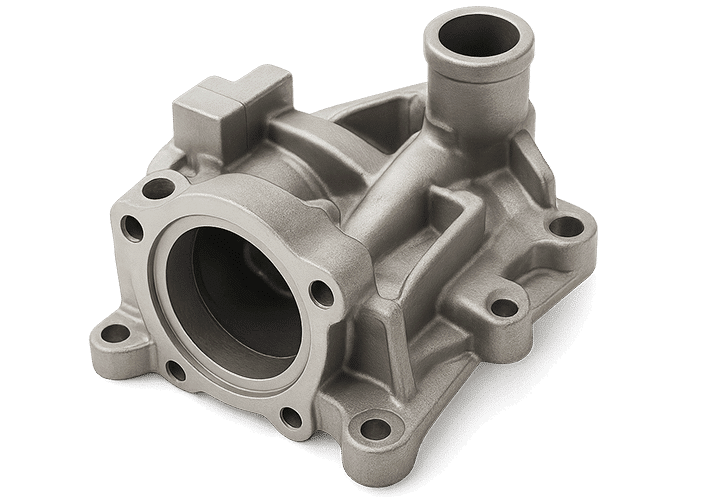
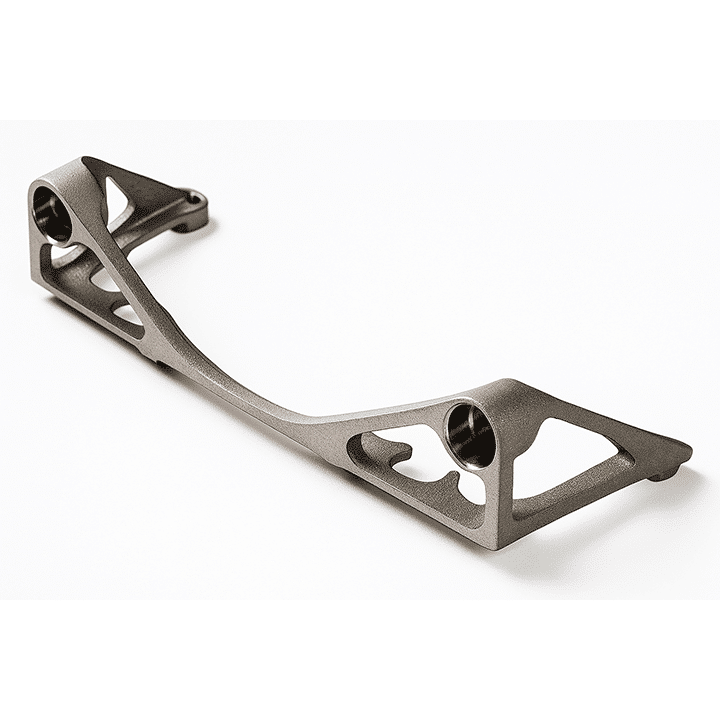
VDC is used to produce light weight, high-strength aluminum and magnesium components such as engine blocks, transmission housings and structural brackets. Their reduced porosity and high accuracy improve reliability and performance.
Aerospace
Aerospace components, including housings, brackets and structural supports, benefit from VDC’s ability to produce parts with excellent mechanical properties and low weight. The process ensures high integrity castings that are critical for safety and performance in aircraft.
Electronics
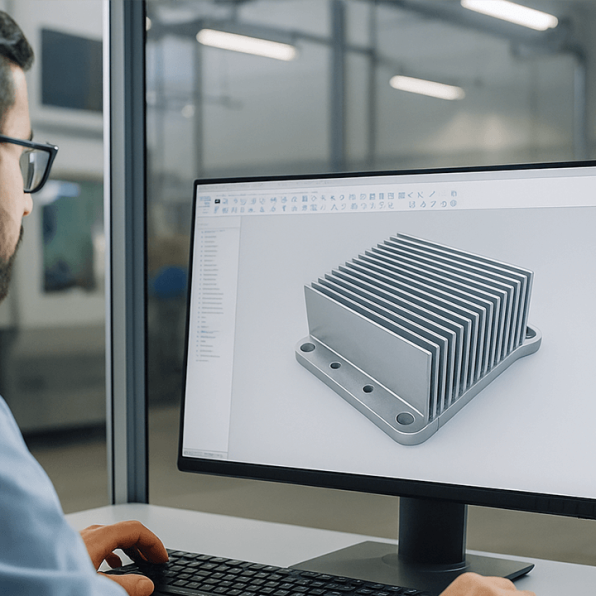
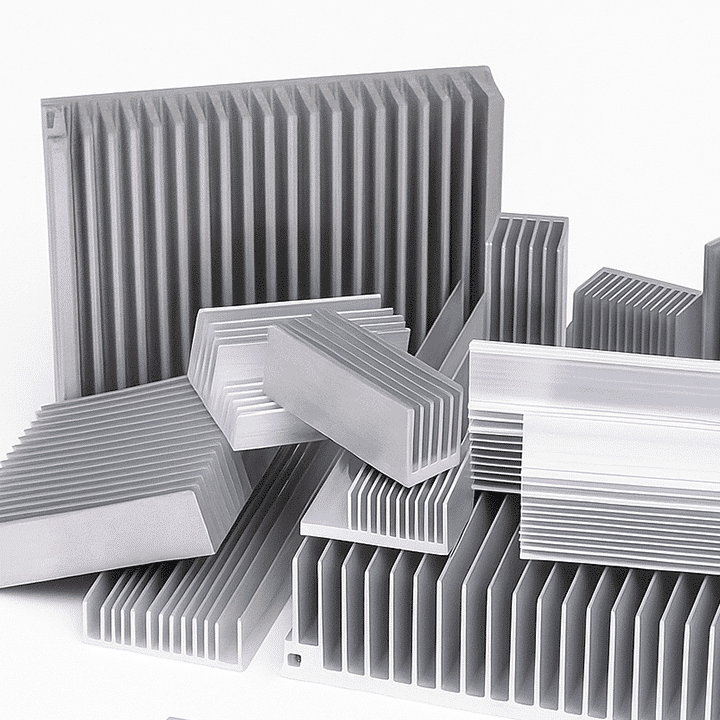
VDC produces precision housings, heat sinks and enclosures for electronic devices where dimensional accuracy and thermal conductivity are important. Its smooth surface finish reduces the need for post-processing and enables efficient assembly.
Consumer Appliances
Vacuum die casting is used for components in appliances such as washing machines, air conditioners and kitchen equipment. It produces durable, lightweight parts with good aesthetic finishes.
Explore Fathom’s Full Range of Manufacturing Equipment
Download our complete machine list for a detailed look at our capabilities across CNC machining, additive, molding, and fabrication.
Why Choose Fathom for Vacuum Die Casting
-
Our expert engineers will help you optimize your part designs for production.
-
Our engineering and production teams bring decades of expertise and problem-solving to every project.
-
We offer manufacturing and full post-processing capabilities under one roof for one point of accountability
-
We’re your partner from design and prototyping to bridge and full production.