Skip to content
Aerospace & Defense Die Casting 18 Nov 2025

Die Casting

Written by

updates@lform.com

How Does Die Casting Work?

01 Part & Tool Design

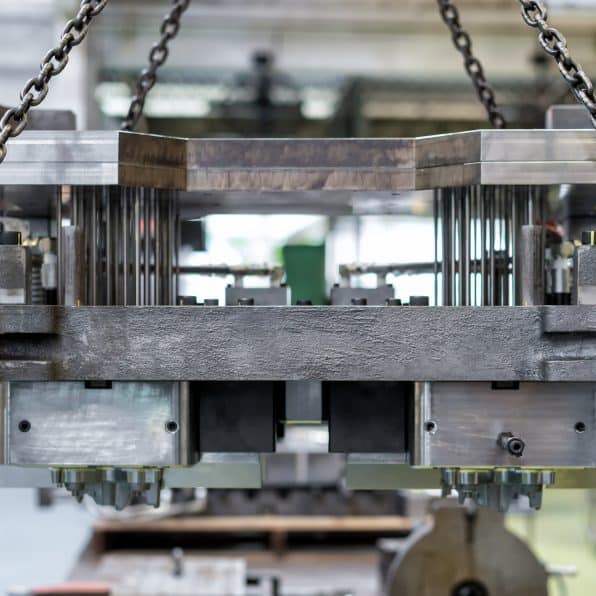
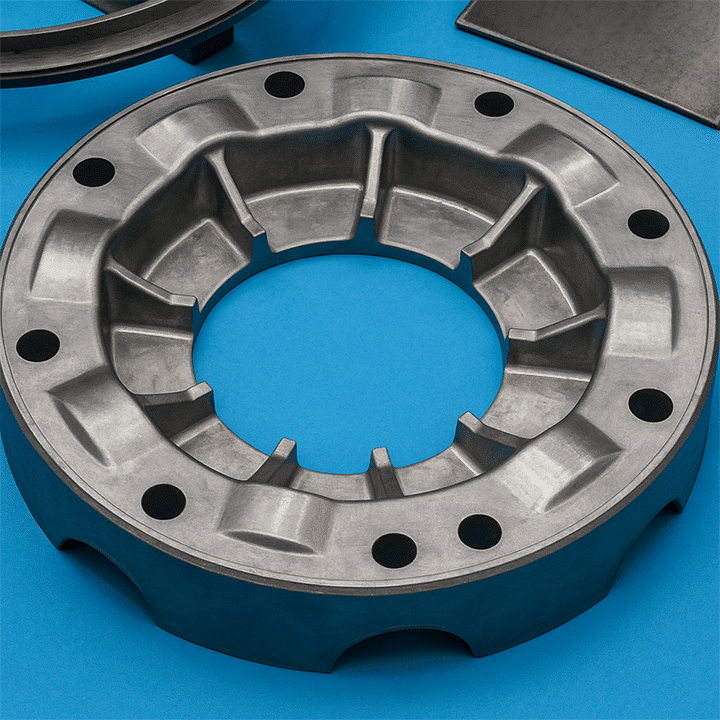
A mold is a cavity that contains the shape of the desired part and includes a gating system for pouring the molten material into it. When designing it, the following guidelines need to be followed to ensure a successful casting: Maintain uniform wall thickness, avoid sharp corners and thick sections, apply proper draft angles and select suitable materials based on your requirements. You may also need to allow for shrinkage of the die cast part.

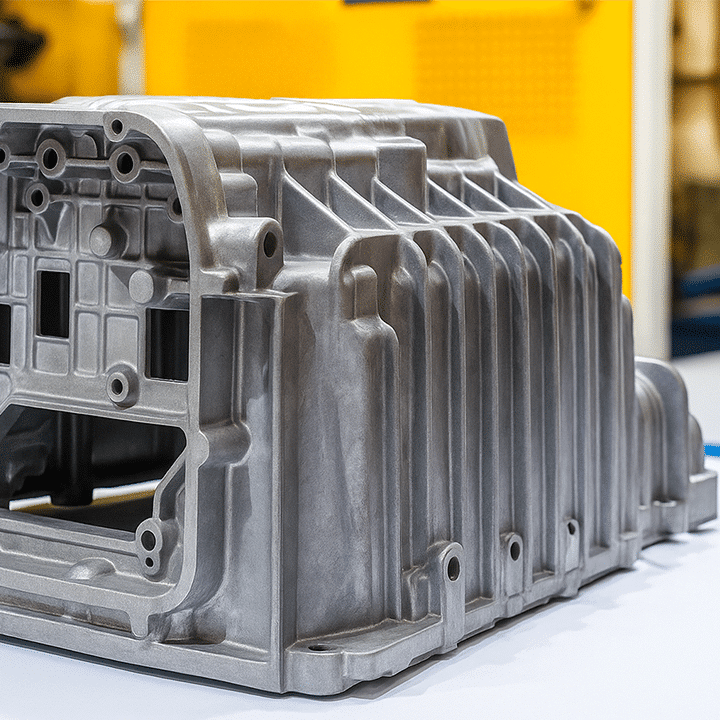
High precision die mold for casting automotive aluminium parts make with iron metal steel by lathe milling drilling and CNC machinery in the factory
02 Molding

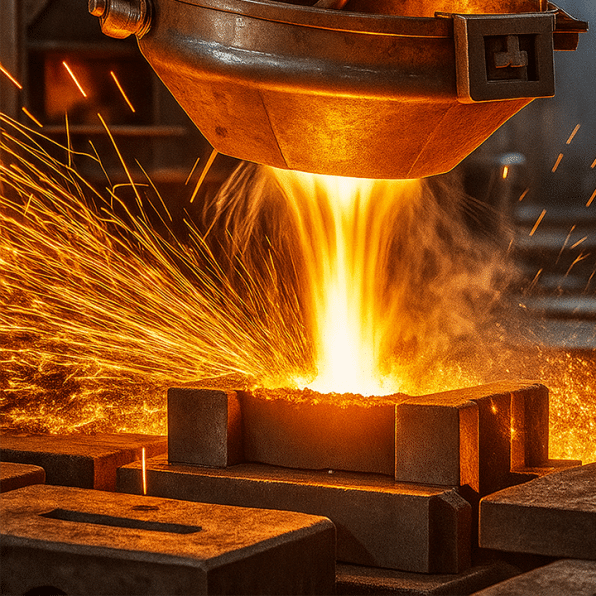
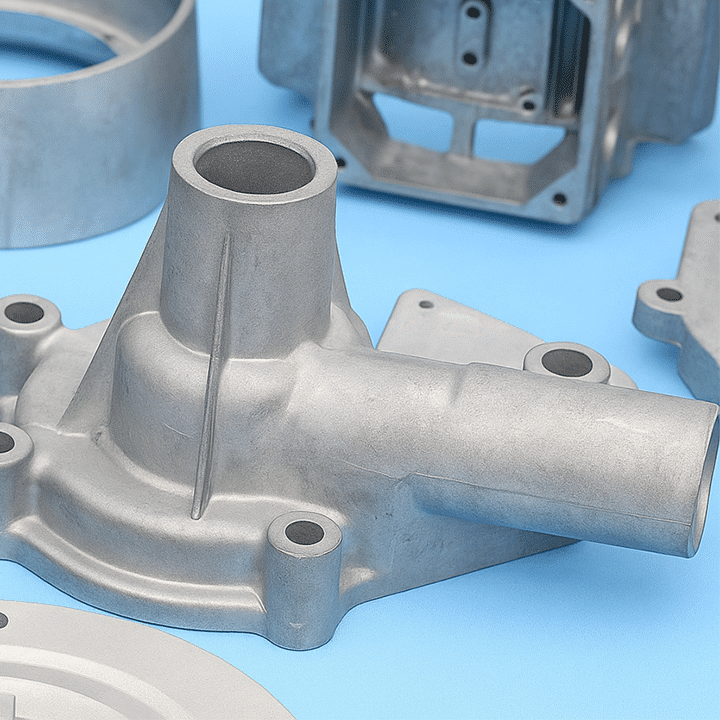
The metal for the part is heated in a furnace until it becomes molten. Molten metal is poured into the mold through the gating system. Depending upon the type of die casting, this may be done under pressure or vacuum conditions. The molten material cools and solidifies inside the mold, taking on the shape of the cavity. Once the material is fully hardened, the mold is broken or opened to remove the casting. This step is called “shakeout.”

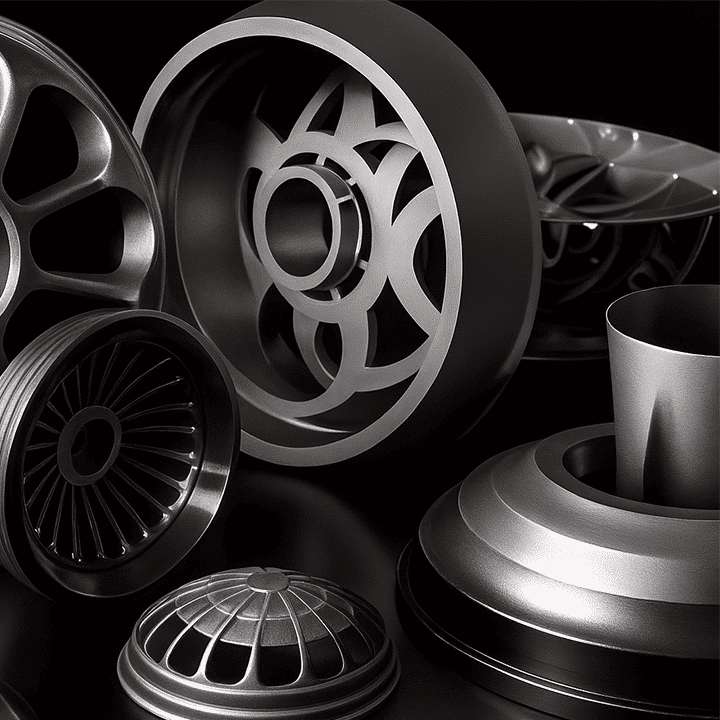
How it works_Die cast_process_2
03 Post-Processing

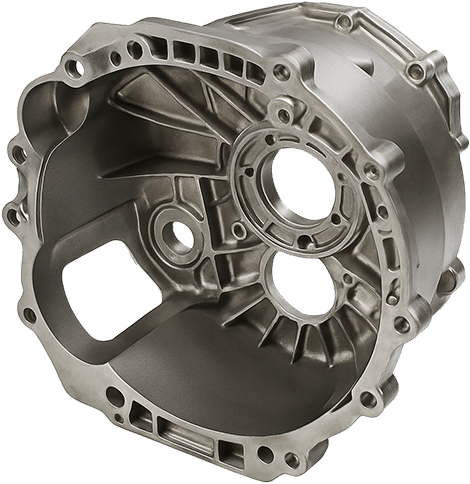
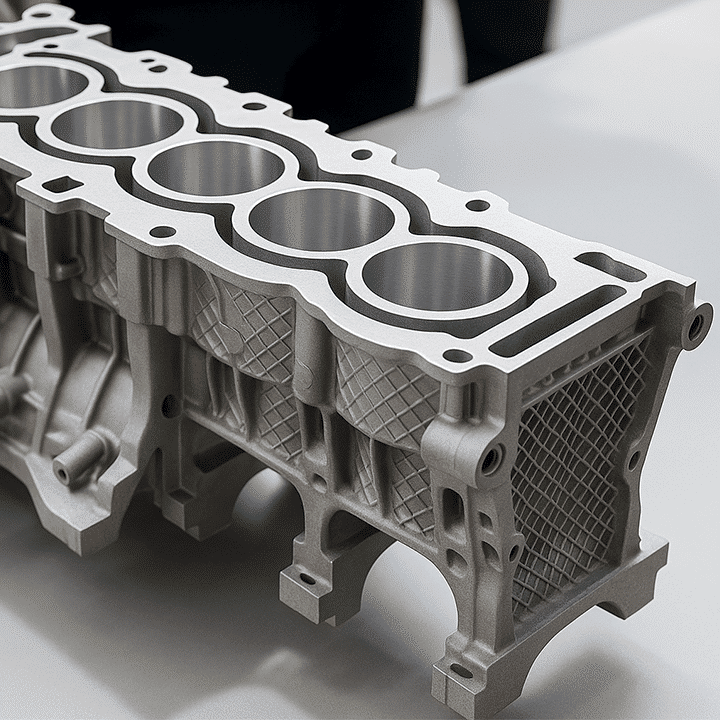
The raw casting is cleaned to remove any leftover mold material or gating system remnants. The part is then inspected for quality, such as checking for dimensional accuracy and surface integrity. Finally, the casting undergoes any necessary finishing, such as machining, to meet the specific design requirements. Deburring or abrasive blasting may be used to give the casting a smooth surface. Die cast parts may then be painted, coated or electroplated.

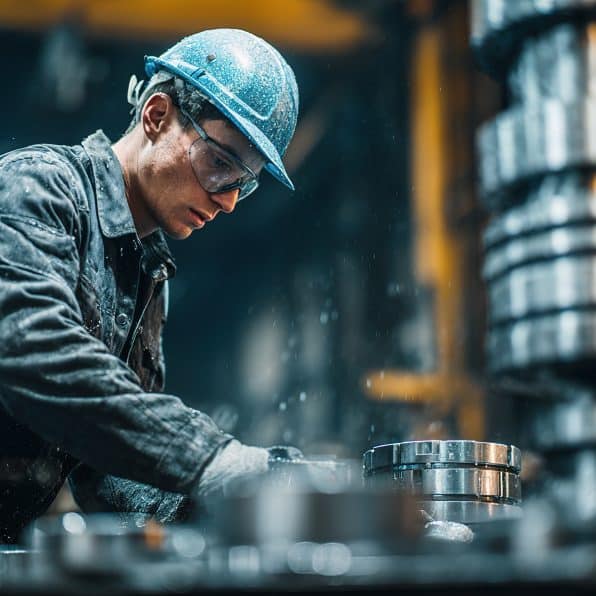
Dedicated Worker Engaged in Die Casting and Cleaning Metal Parts

Case Studies Block

Related Articles / Blog Feed

Share this article: