Skip to content

Fathom is hiring for multiple positions across our nationwide sites! To see all open positions, click here

5-Axis Machining

  • Build Complex Parts With Irregular Shapes

  • Improved Precision Because Parts Don’t Need to be Repositioned

  • Improved Surface Finish

Get a Quote
Trusted by Industry Leaders
Harley Davidson
3M
Sanmina
Smith & Nephew
Medtronic
“We were really struggling to find anyone who could cut a certain type of heavy-duty glass. Everyone told us it couldn’t be done, so when we reached out to Fathom, we expected to hear the same thing. Instead, a few days later, they called back with a plan. They had tracked down the people who actually developed that glass and worked directly with them to figure out a solution. That’s the type of approach we have come to know from our Fathom team.”
Lead Engineer
Defense Contractor
“Working with Fathom has given us a level of supply chain control we haven’t had with other partners. Instead of juggling multiple suppliers for machining, sheet metal, extrusions, and 3D-printed prototypes, we can run everything through one team and that’s been a huge advantage for our EV programs. Their engineers helped us tighten up a machined cooling-plate design, turn around sheet metal brackets in days, and rapidly iterate several 3D-printed enclosure concepts early in development. Having all of these capabilities under one roof has reduced delays, improved consistency across assemblies, and cut a significant amount of coordination time on our side.”
Senior Manufacturing Engineer
Major EV OEM
“Fathom has been a strong partner on our EV programs. They helped us optimize a few key components for weight and manufacturability, and they consistently hit the tolerances we need. Their fast turnaround times have kept our development cycles moving, which is critical in EV work.”
Senior Manufacturing Engineer
EV Systems Supplier
“With their response time, quotes and communications, Fathom is highly regarded because they are always upfront. They say what they do and do what they say.”
John Doe
Consumer Technology Company
“No matter how complex or how new issues are with product design, we can always count on Fathom. Their team provides an unbiased, ‘out-of-the-box’ professional opinion that is always forward-thinking, interesting and helpful. We value their exemplary commitment to providing superb engineering.”
Rich Rayhill
Crown
“We choose Fathom because of their reputation as a great company to do business with. We have stayed with them for over 5 years because they consistently deliver to meet our needs.”
Barbara Gramenz
3M
“We have been customers with Dahlquist for a long time because they deliver outstanding quality, on-time, every time. I believe these results are in large part due to the fantastic and customer focused team that works there.”
Buyer
Laser Cutting Equipment Manufacturer
“Sanmina and Centex have had a long business relationship and we’ve been able to conquer a lot of our goals with their expertise and support. Centex has always delivered excellent quality parts at fair prices. When we get into tight spots with our customers, they never hesitate to support us. We wholeheartedly recommend Centex to everyone we know.”
Delia Aguilar
Sanmina Corporation
prev
next

How 5-Axis CNC Machining Works

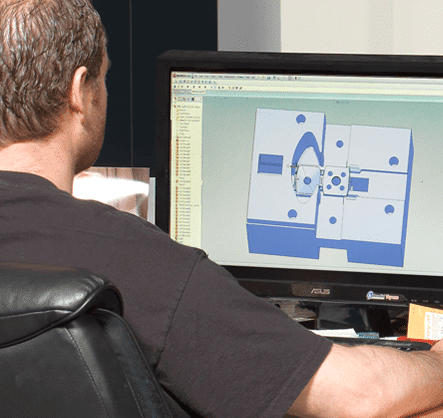
01 Design Preparation

A part is first designed in a CAD file, a 2D or 3D digital model of the part. 5-axis machining adds two rotational axes to the cutting tool and the workpiece, enabling you to design more complex parts. To power a 5-axis machine tool, the CAD design must be converted into toolpaths that tell the cutting head where to move and how much material to remove.

McHenry_Design (1)
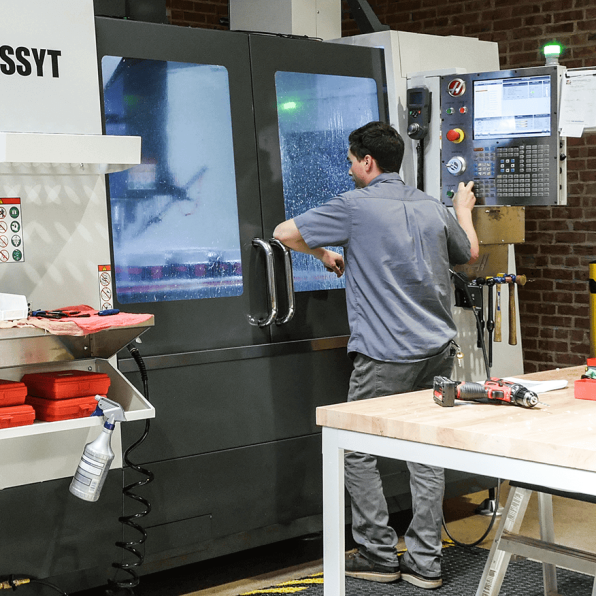
02 Machine Setup

The workpiece is first attached to the machine’s cutting table. Because the 5-axis machine tool can reach more of the surface of the workpiece, the fixturing needed to hold it in place can be simplified. Next, the correct size cutting tools that will be used to form the part are loaded into it. Finally, the G-code to control the job is then transferred to the machine’s control system.

cnc_milling_machine
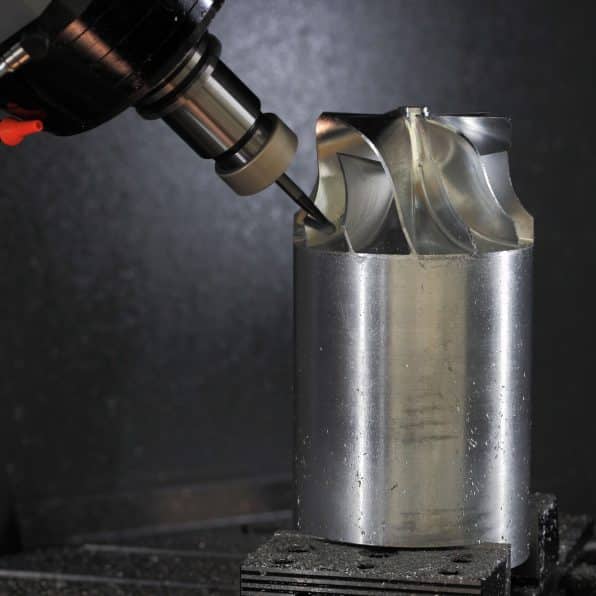
03 Machining & Post-Processing

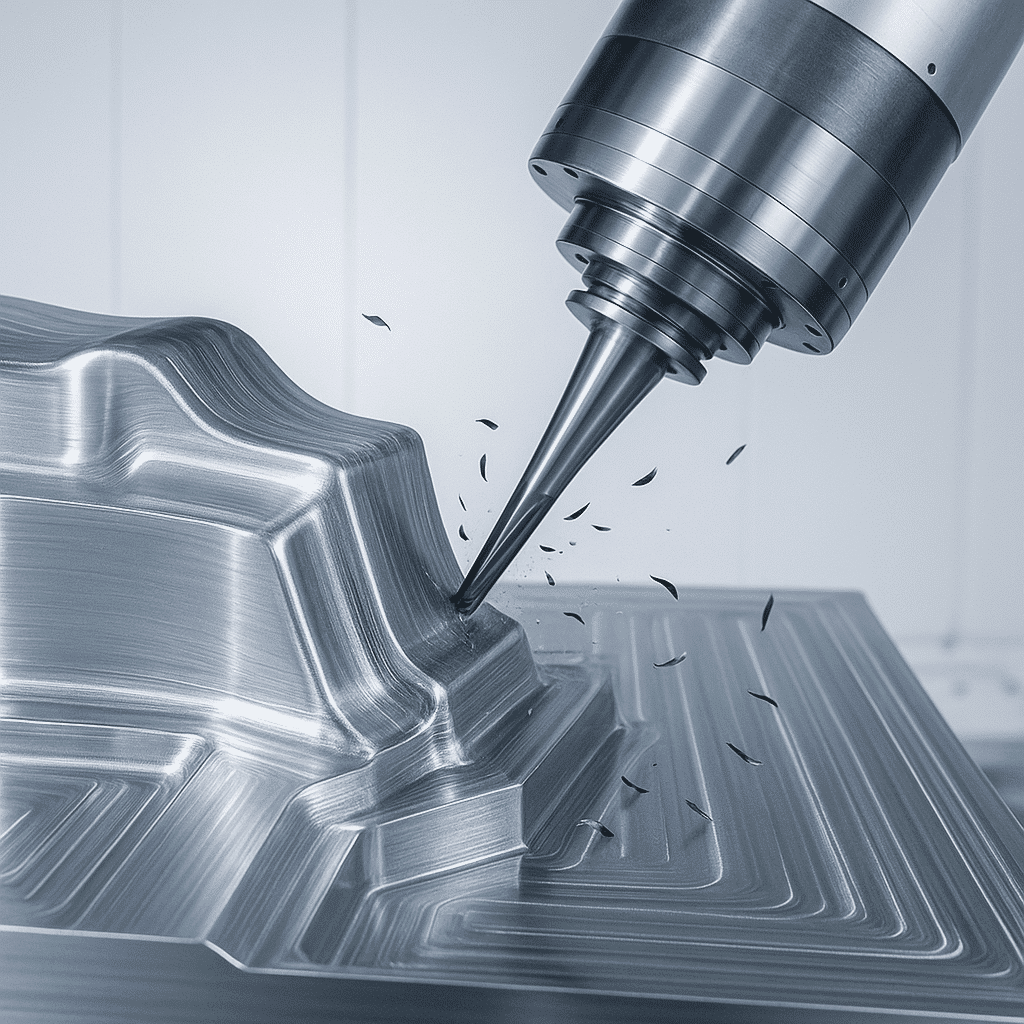
The machine’s spindle moves the rotating cutting tool along the X, Y and Z axes, removing material to shape the part. Coolant may be applied to the cutting area to cool the tool, reduce friction and improve the part’s finish. Because a 3-axis machine can only cut one face of the material at a time, the workpiece may need to be repositioned to machine other sides of it.

Machining & Post-Processing_5Axis

Is 5-Axis Machining Right For Your Project?

Advantages

  • Complex Shapes

    5-axis machining can produce intricate designs with curves and angles that are difficult or impossible on 3-axis machines.

  • Increased Accuracy

    It can machine multiple sides of a part in a single setup, eliminating the need to reposition the workpiece. This reduces errors and leads to higher precision and tighter tolerances.

  • Reduced Setup Time

    By machining multiple faces in a single setup, 5-axis machines significantly cut down on the time and cost associated with multiple setups and fixtures.

  • Improved Production

    The ability to machine more complex parts and use shorter tools with higher feed rates leads to faster production times.

  • Better Surface Finish

    The cutting tool can maintain a more optimal angle with the workpiece, resulting in a smoother, cleaner cut with fewer tool marks.

Disadvantages

  • Operator Skill Level

    Operating these machines requires a higher level of skill, including advanced 3D visualization and a thorough understanding of multi-axis motion to avoid collisions and ensure accuracy.

  • Complex Programming

    Creating accurate and efficient tool paths is more complex and requires sophisticated CAM software and a deep understanding of 5-axis principles.

  • Setup Time

    Setup and programming can take more time compared to simpler 3-axis machines.

  • Accuracy

    Maintaining high position accuracy can be more challenging due to factors like heat generation, mechanical transmission errors, and angular errors in the rotational movements.

5-Axis Machining: For High-Performance, Complex Parts

Aerospace Parts

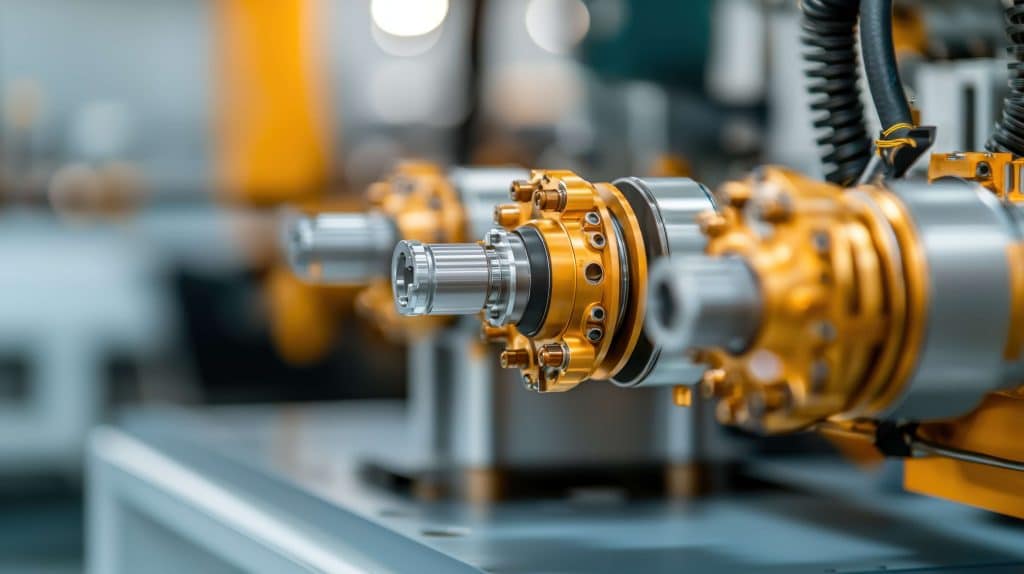
The exceptional accuracy of 5-axis machines makes them a popular choice for complex aerospace parts like turbine blades and fuselage components.

Medical Applications

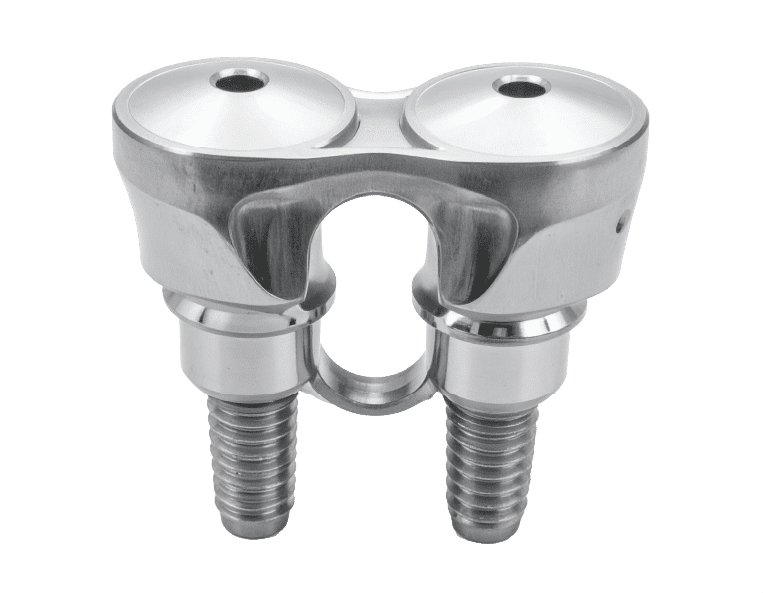
5-axis machines are frequently used to produce components that make a real difference in the health and well-being of patients, including prosthetic limbs and dental implants. 

Automotive Components

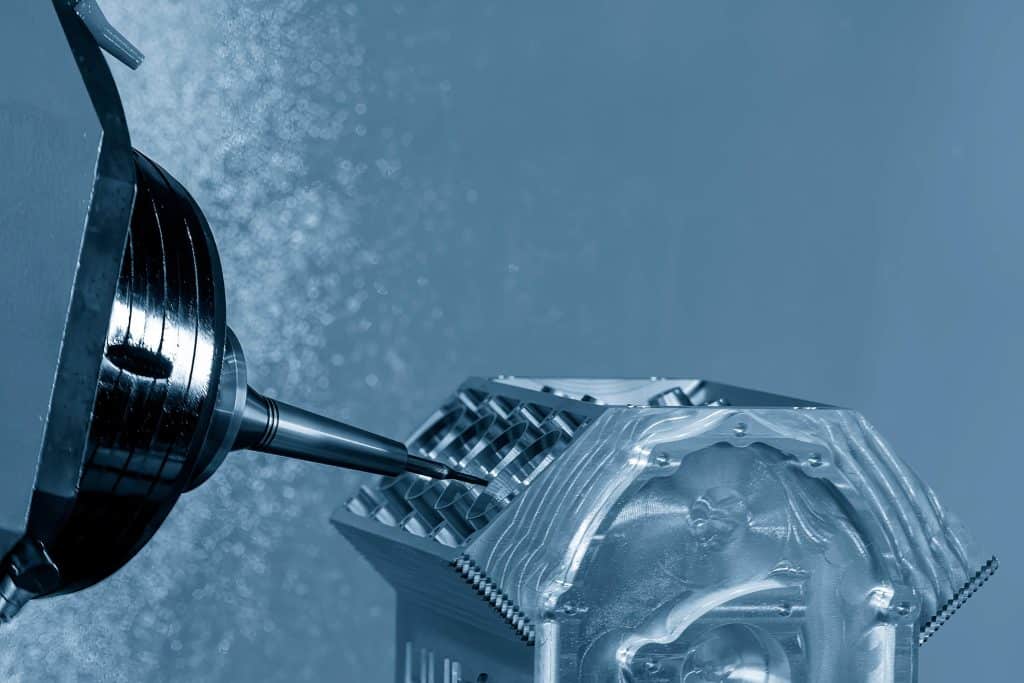
5-axis machines are used to produce rugged, complex components for engines, transmissions and steering system parts.
Aerospace_5Axis
AdobeStock_1474750034

Find the Ideal Machinable Material for Your Part

Compare metals and plastics for CNC machining with full property details, tolerances, and suitability notes. Engineered to help you make informed decisions for precision, durability, and performance.
Download Material Datasheet
thumbnail_material_CNC

Why Choose Fathom for 5-Axis Machining?

  • Fathom has an unmatched depth of expertise in CNC machining complex, high-tolerance parts and the capacity to take on your projects.
  • Our CNC facilities specialize in challenging applications. We work with extremely tight tolerances and exotic materials for use in medical or aerospace industries.
  • Fathom also has certifications at several of our locations to meet the highly specialized needs of your medical, aerospace or government industries, including ISO 13485, AS9100 and ITAR.
  • Our CNC machining expertise is backed by white-glove engineering – to ensure that your project is a success.
Get a Quote
5-axis-machining-why-fathom-chatgpt