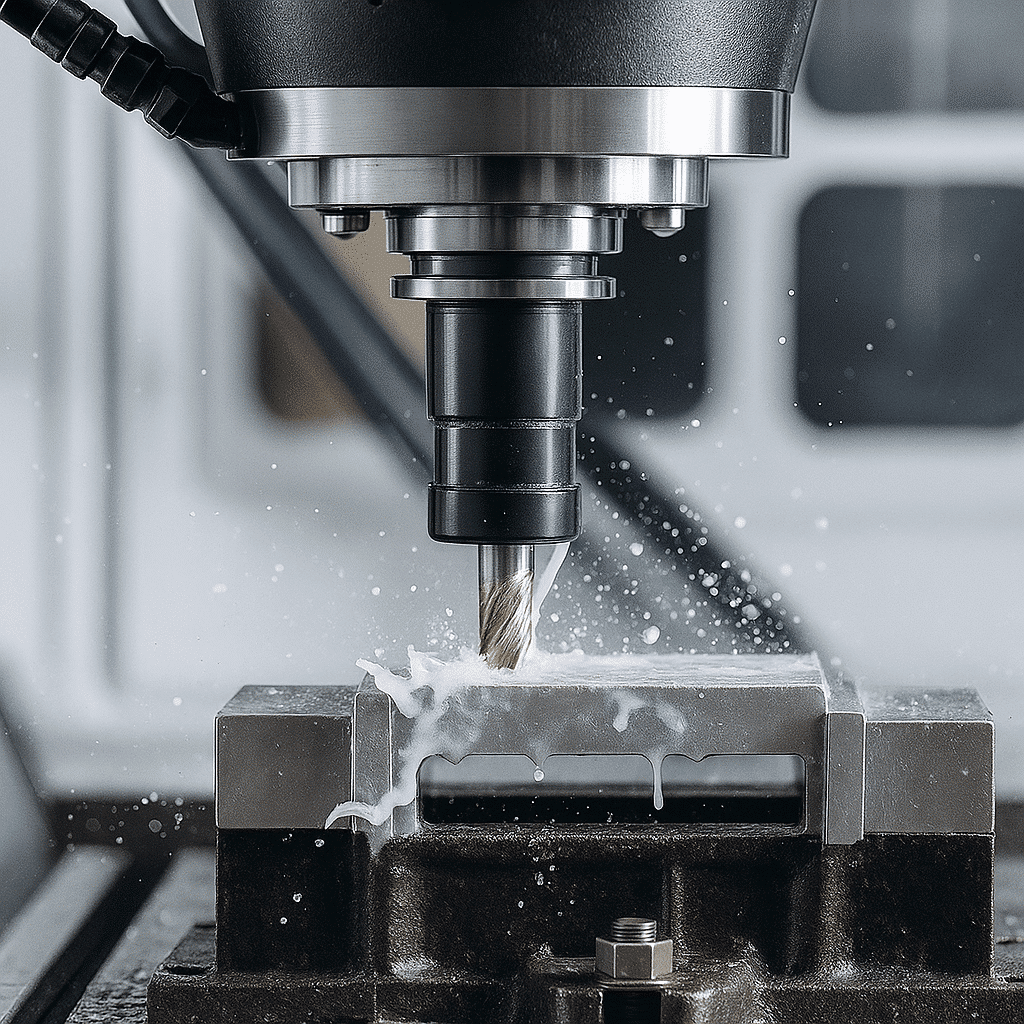
4-Axis Machining
-
Workpiece Can Rotate to Create More Complex Shapes
-
Tighter Tolerances Than 3-Axis Milling
-
Reduced Production Time
Trusted by Industry Leaders


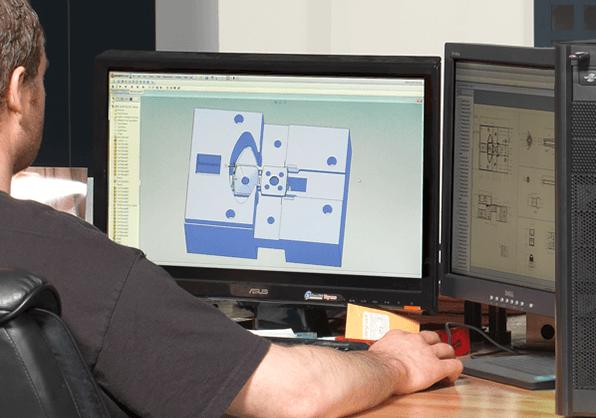
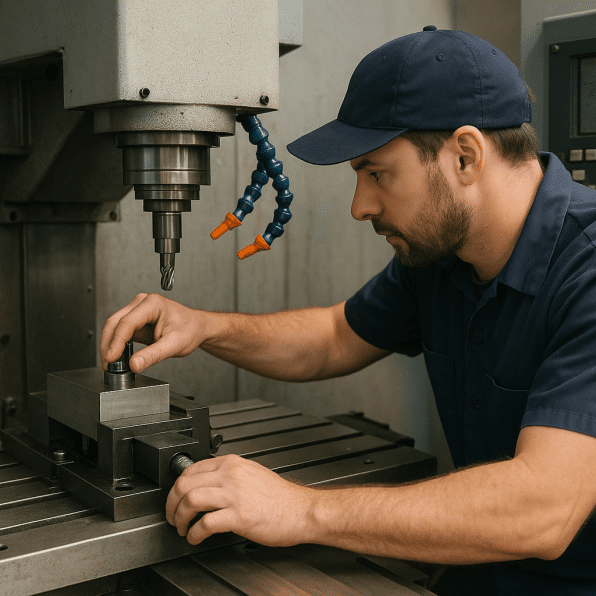
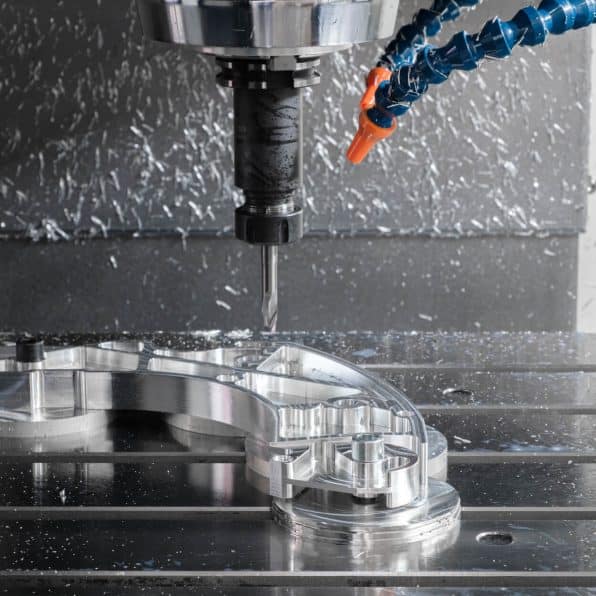
How 4-Axis CNC Machining Works
Is 4-Axis Machining Right For Your Project?
Advantages
-
Can Produce More Complex Parts
4-axis machines are ideal for creating intricate designs and curved features that are difficult or impossible with 3-axis machines.
-
Fewer Setups
The addition of the fourth axis allows for multi-sided machining without having to manually reposition the workpiece, which saves time and reduces labor costs. This also contributes to faster production times.
-
Increased Accuracy
Holding the part in a single setup improves accuracy and enables tighter tolerances across multiple sides of the workpiece.
-
Better Surface Finishes
A single setup can lead to better surface finishes because the cutting tool can maintain a more optimal proximity to the workpiece.
Disadvantages
-
More Complex Programming
Programming a 4-axis machine requires more advanced knowledge to program the additional rotational axis and operate the machine.
-
Potential for Reduced Speed
For certain parts, the rotational movement can sometimes reduce machining speed compared to the simpler, linear movements of a 3-axis machine.
-
Geometry Limitations
Certain complex part geometries require simultaneous movement in more than four axes, which is beyond the capability of 4-axis machines.
4-Axis Machining Offers Exceptional Versatility
Aerospace Parts
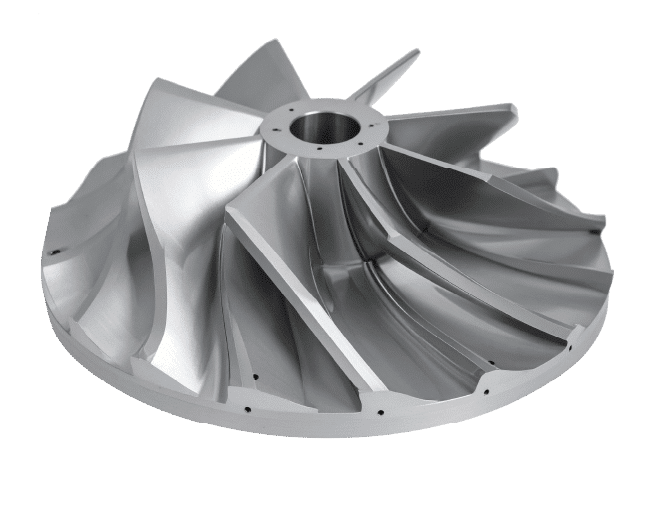
The versatility of 4-axis machines enables them to manufacture more complex parts with tighter tolerances for aerospace and defense applications. Examples include aircraft propellers, turbine blades and hydraulic actuators.
Medical Applications
4-axis machines enable the production of more complex, higher-precision components used in medical equipment and device applications, such as . surgical instruments, prosthetics and medical implants.
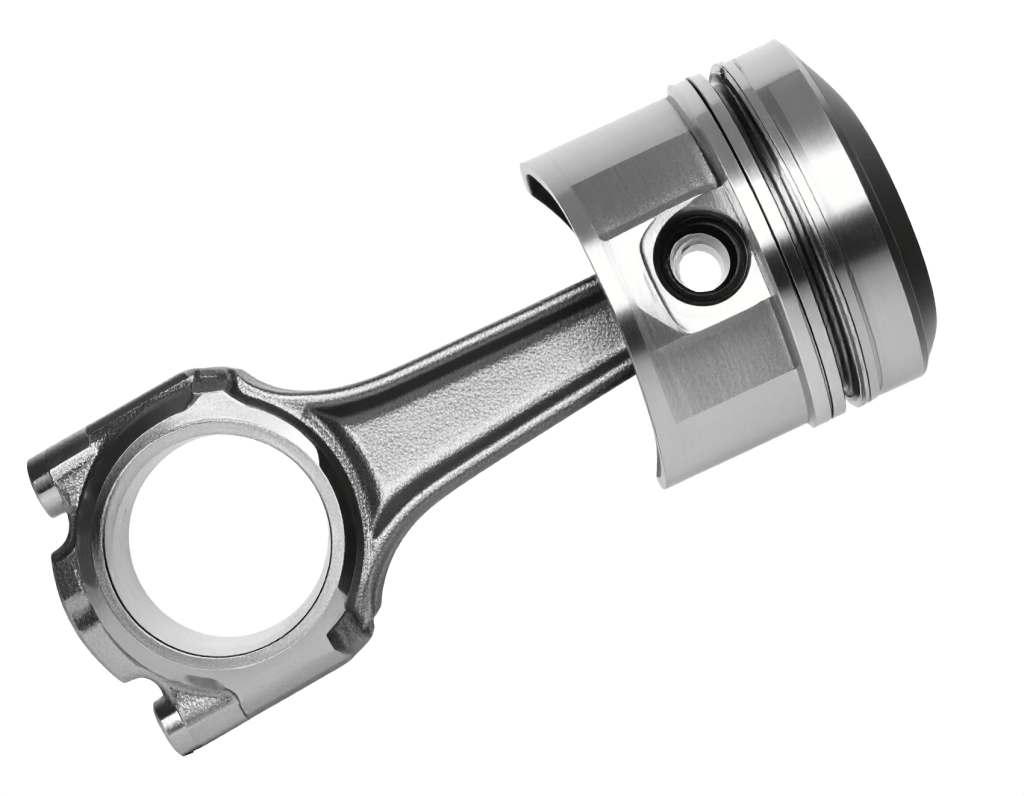
Automotive Parts
4-axis milling machines enable the production of complex, tight-tolerance parts used in cars, trucks and off-highway vehicles. Examples include engine blocks, cylinder heads and transmission components – parts that must be able to take a beating and keep operating reliably..
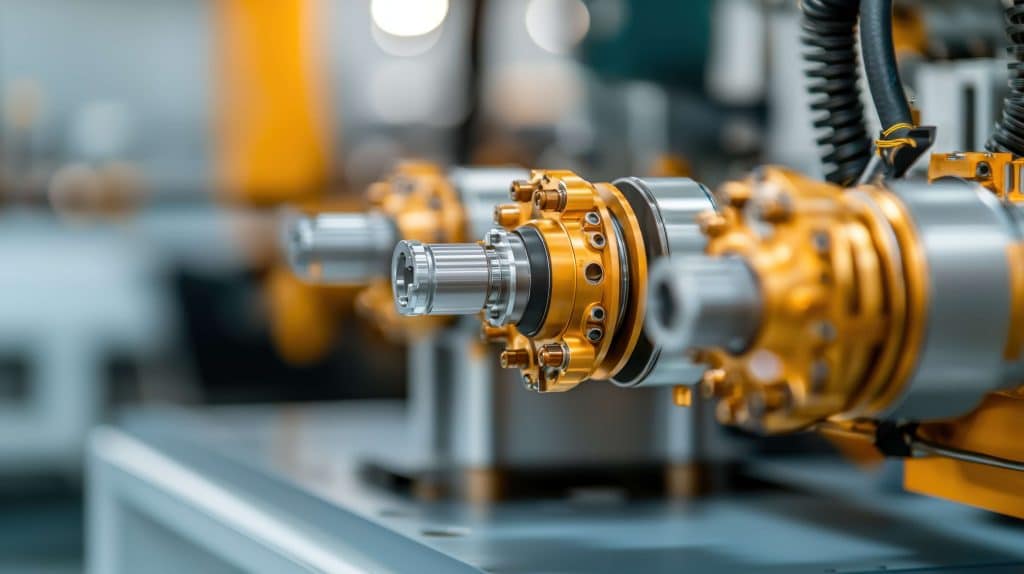
Find the Ideal Machinable Material for Your Part
Compare metals and plastics for CNC machining with full property details, tolerances, and suitability notes. Engineered to help you make informed decisions for precision, durability, and performance.
Case Studies
Why Choose Fathom for 4-Axis Machining?
-
Fathom has an unmatched depth of expertise in CNC machining and the capacity to take on your projects.
-
Our CNC facilities specialize in challenging applications. We work with extremely tight tolerances and exotic materials for use in medical or aerospace industries.
-
Fathom also has certifications at several of our locations to meet the highly specialized needs of your medical, aerospace or government industries, including ISO 13485, AS9100 and ITAR.
-
Our CNC machining expertise is backed by white-glove engineering – to ensure that your project is a success.