SLS 3D Printing Services
-
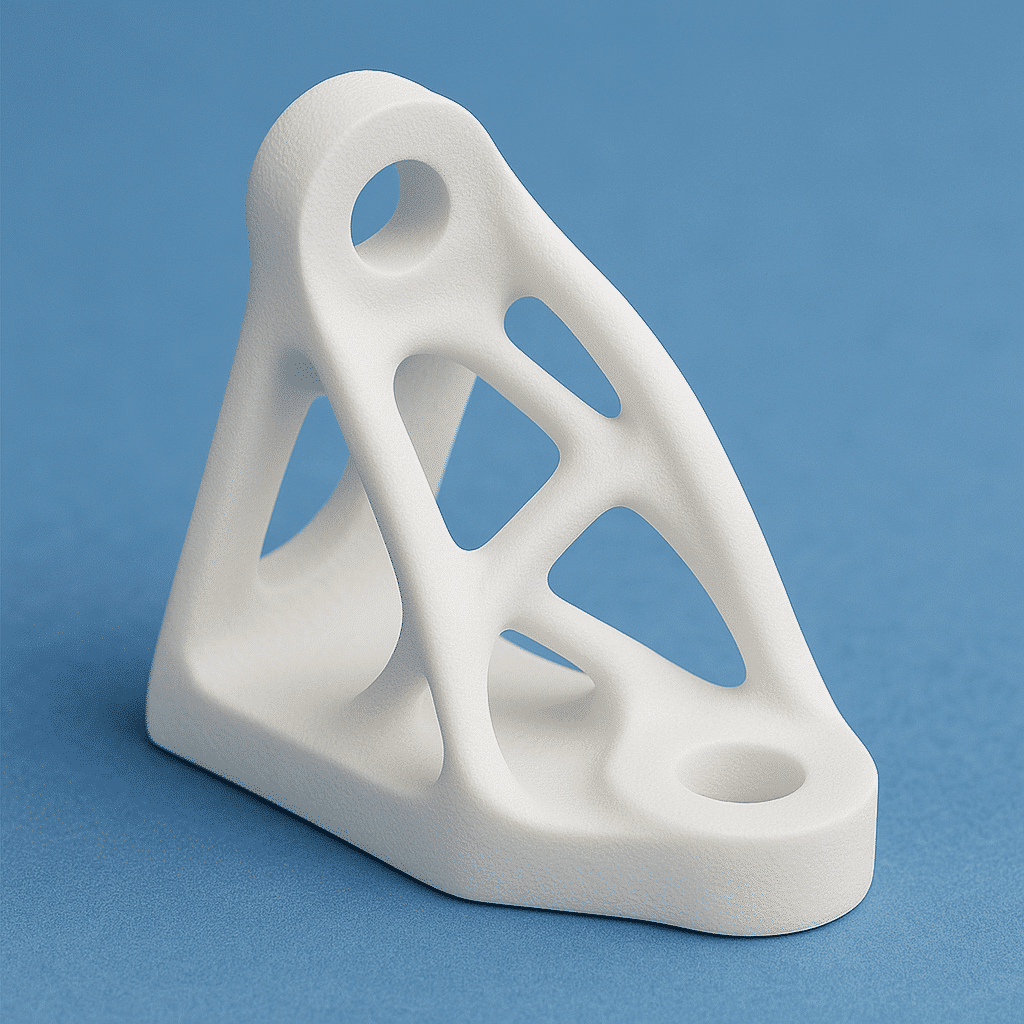
Build Complex Geometries with Fine Detail
-
Produce High-Performance Isotropic Parts
-
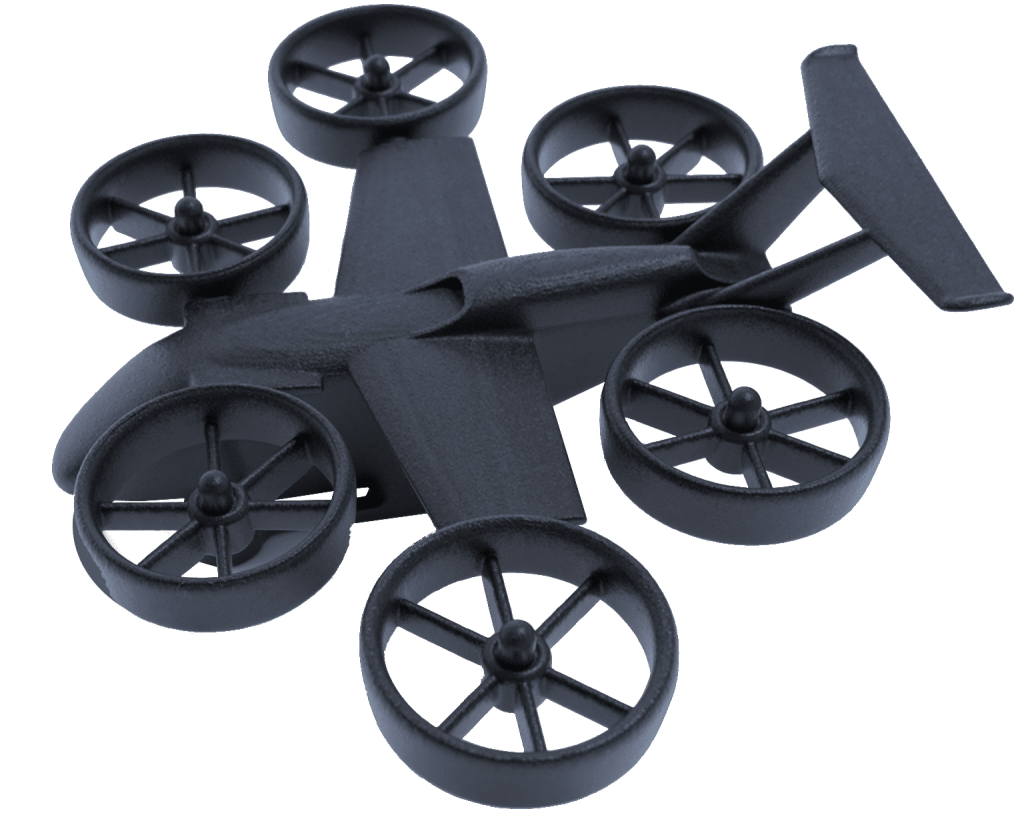
Ideal for Rapid Prototypes & Production Parts
Trusted by Industry Leaders


How Does SLS Work?
Is SLS Right For Your Project?
Advantages
-
Proven Technology
Of all the 3D printing technologies, SLS is one of the most mature and widely used. It has a strong track record of success as a rapid prototyping and production tool. SLS parts have an excellent reputation in many diverse applications.
-
Complex Geometries
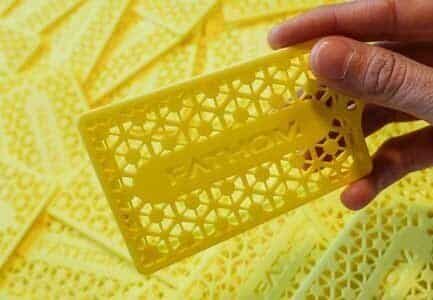
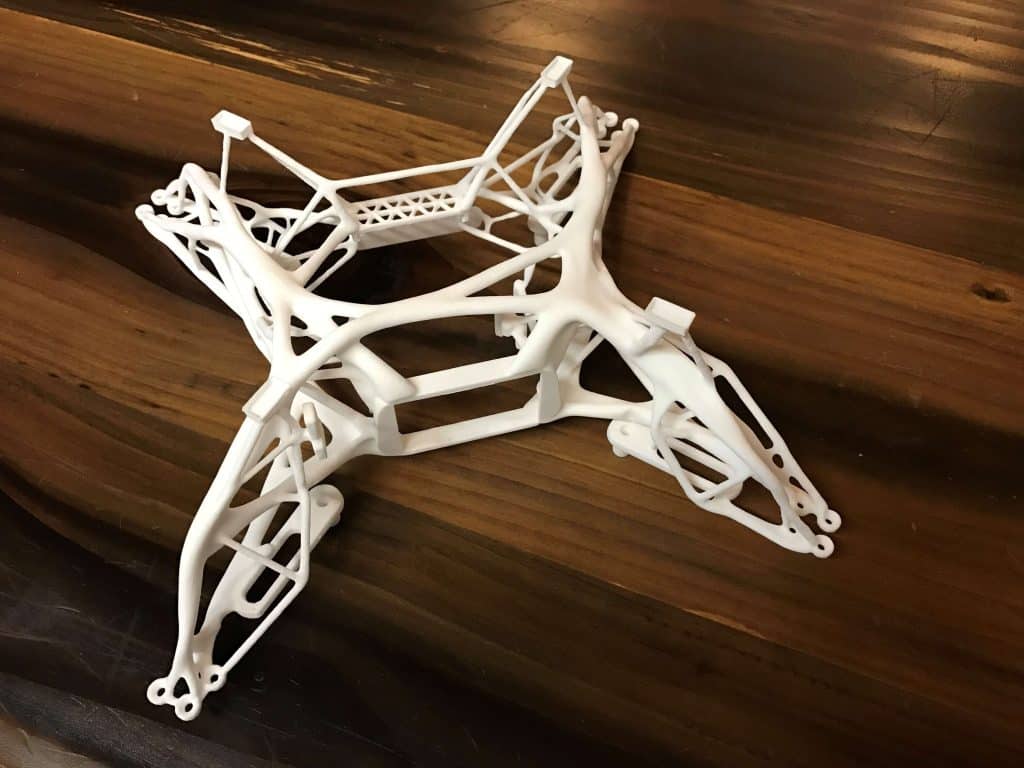
SLS can print complex and intricate parts with fine details. That makes it well-suited for producing functional prototypes and end-use parts with unique shapes.
-
Produce a Large Volume of Parts Quickly
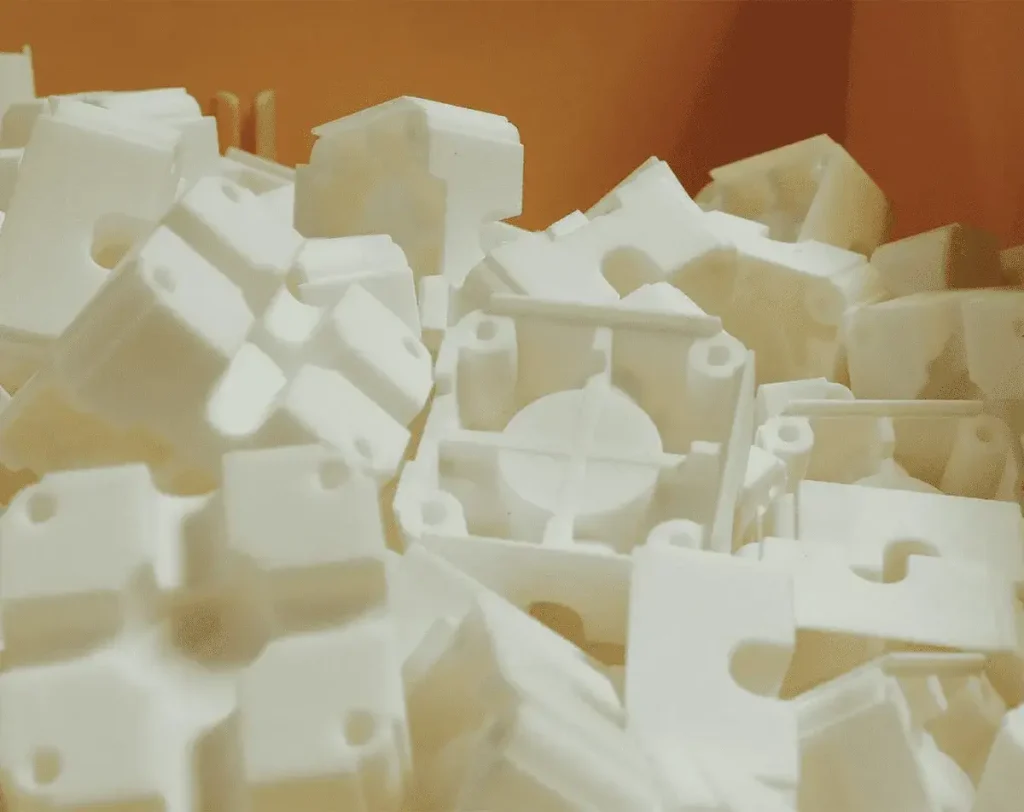
Multiple parts can be produced at the same time in a single build. The laser used during SLS has a quick scanning speed. That means high throughput at a low cost per part.
-
Low Cost Per Part
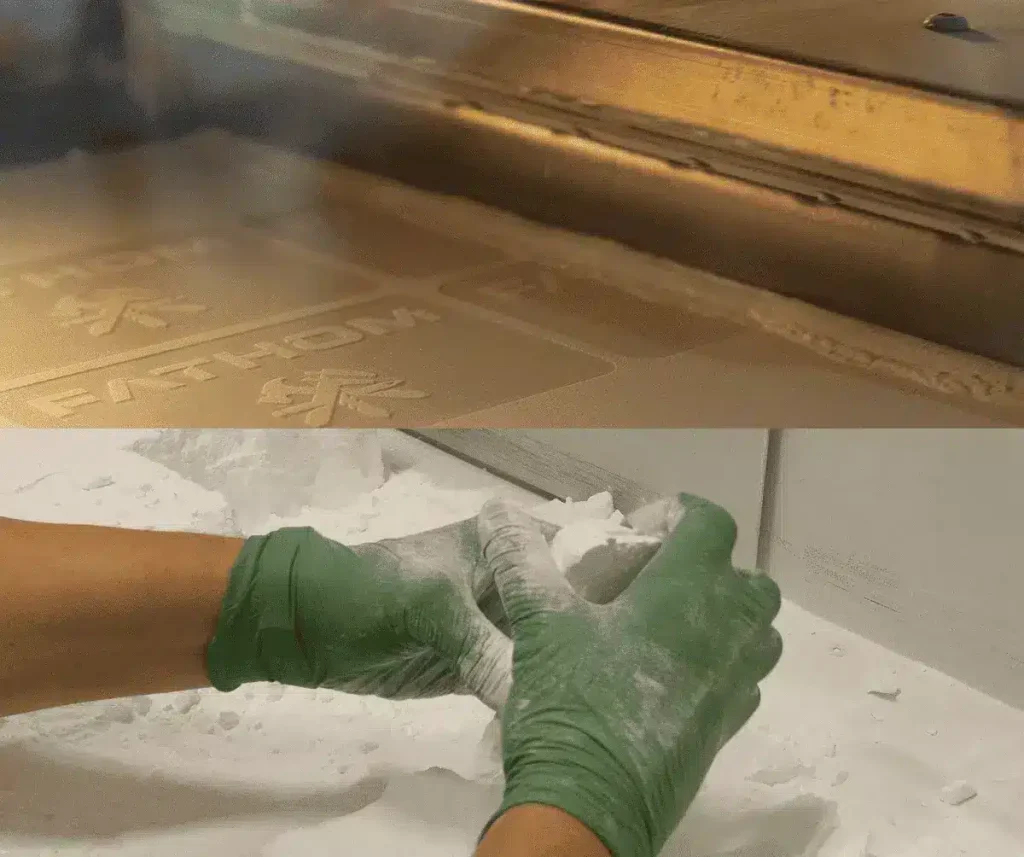
Leftover powder can be reused and support structures are not needed. Also, post-processing is less labor intensive than with other 3D printing methods. That makes SLS parts very affordable.
-
Design Flexibility
This industrial 3D printing process enables you to build parts with complex geometries, moving parts and pieces with interior components. That’s because it doesn’t require support structures.
-
Superior Mechanical Properties
Because of the strong bonds between layers, parts produced using SLS tend to have excellent isotropic properties. That means they have similar tensile strength and hardness across all three axes. These characteristics make this commercial 3D printing process an excellent alternative to injection-molded parts.
-
Colorability
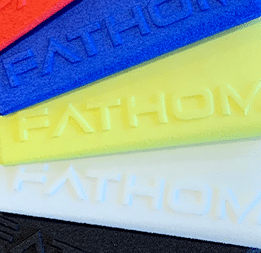
SLS parts have porous surfaces. That means they can be enhanced using a variety of colors and dyes.
Disadvantages
-
Surface Quality
Parts produced using SLS tend to have a porous surface and may need to be sanded or coated to achieve the required surface finish. One common treatment Fathom uses on SLS parts is vapor smoothing, which produces a smooth, waterproof surface.
-
Time-Consuming Post-Processing
Depowdering parts after printing can be time-consuming. Parts must be designed with escape holes to enable the removal of powder trapped inside any hollow cavities. SLS parts also require a lengthy cooling process.
-
Shrinkage
SLS parts tend to shrink slightly as they cool. To maintain dimensional accuracy, engineers need to plan for this when designing SLS parts.
-
Warpage
Due to the high heat of the printing process, SLS parts can sometimes warp or deform. That can affect their accuracy and dimensional stability. Your Fathom engineering expert can help you tweak your part designs to minimize or avoid this problem.
-
Limited Material Selection
SLS materials from Fathom are limited to TPU 88A and five types of Nylon.
Applications Showcase the Versatility of SLS
Medical: Custom-fit prosthetics, orthotic, and surgical guides are common uses of SLS because of the precision it makes possible and the biocompatibility of SLS materials.
Aerospace: Lightweight components that can withstand high stress and temperatures, such as ducting, brackets and housings.
Consumer Goods: Products like custom eyewear, intricate jewelry designs, footwear and sporting equipment benefit from the ability to create complex and durable parts.
Automotive: Used for prototyping and creating functional parts, including snap-fit and living hinge components.
Manufacturing: Often used for low-volume production runs and creating parts that are difficult or expensive to make with traditional methods like injection molding.
Functional Prototypes: SLS is a popular choice for functional prototypes that require strength, heat resistance or complex mechanical joints, allowing designers to test designs thoroughly before mass production.
Optimize Your Design with SLS Material Insights
See how SLS materials perform under load, heat, and real-world conditions. Ideal for complex geometries, lightweight structures, and durable production-ready parts.
What Can SLS be Paired With?
Selective Laser Sintering isn’t just for rapid prototyping. It can be used to produce small quantities of production parts – ideal if you’re waiting for your injection mold tooling to be built.
SLS works with thermoplastics. That means it can be used to quickly create functional prototypes for new product designs. Once your part design is finalized, you can transition to injection molding for production. With our cross-functional engineering expertise, we can help you tweak your part designs so they work well in both prototype and production environments.
SLS can be used to build work-holding fixtures to secure metal parts for CNC machining. It’s perfect for larger jigs and fixtures because of the large build volumes SLS makes possible, small feature accuracy and mechanical strength.
If tight tolerances are needed, a part can be 3D printed with extra material on critical surfaces. They can then be machined to the required tolerances.
Traditional Technologies That Can Benefit from SLS
Selective Laser Sintering can be used to build part designs that aren’t possible using traditional manufacturing methods such as CNC machining and sheet metal fabrication.
It also enables fast, low-cost production of prototype or limited-run production parts – without the tooling required to make injection-molded parts.
Case Studies
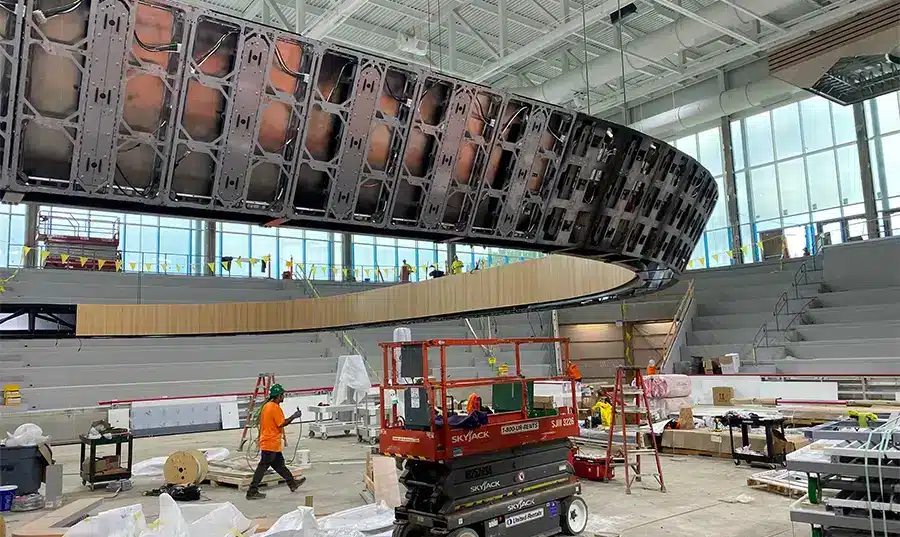
Explore Fathom’s Full Range of Manufacturing Equipment
Download our complete machine list for a detailed look at our capabilities across CNC machining, additive, molding, and fabrication.
Why Choose Fathom for SLS 3D Printing?
-
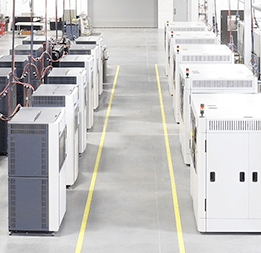
Fathom has the machines and capacity to help you meet your production needs faster – including SLS machines that can produce large parts.
-
Fathom has deep engineering expertise in a wide range of digital manufacturing methods, including industrial 3D printing services and injection molding.
-
We can help you not only optimize your part designs for Selective Laser Sintering but also for higher-volume production using injection molding and other production methods.