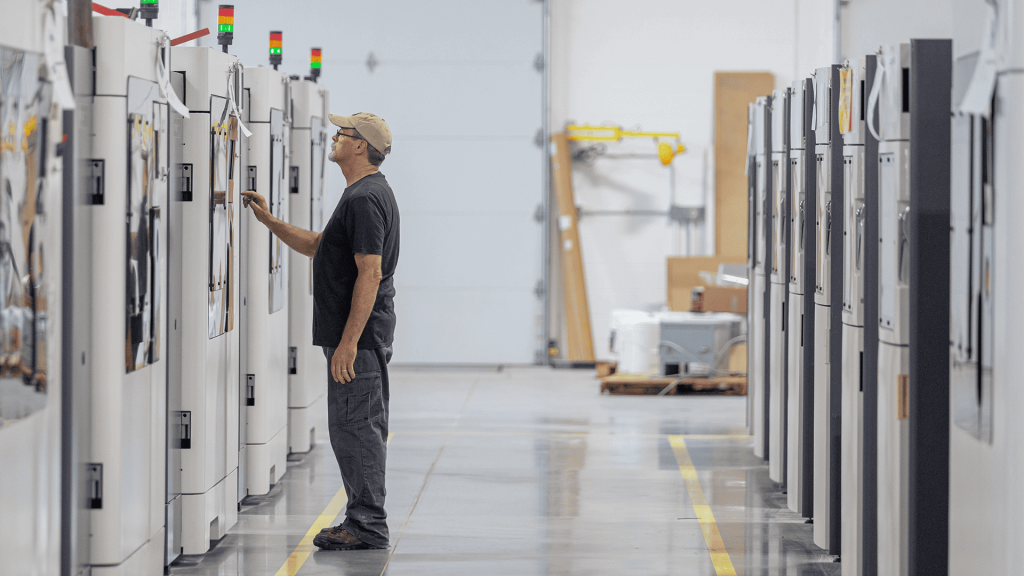
Fused Deposition Modeling (FDM) 3D Printing
-
Prototyping & Production with Thermoplastic Materials
-
Unrivaled Toughness for Demanding Applications
-
Parts As Soon As 3 Days
Trusted by Industry Leaders


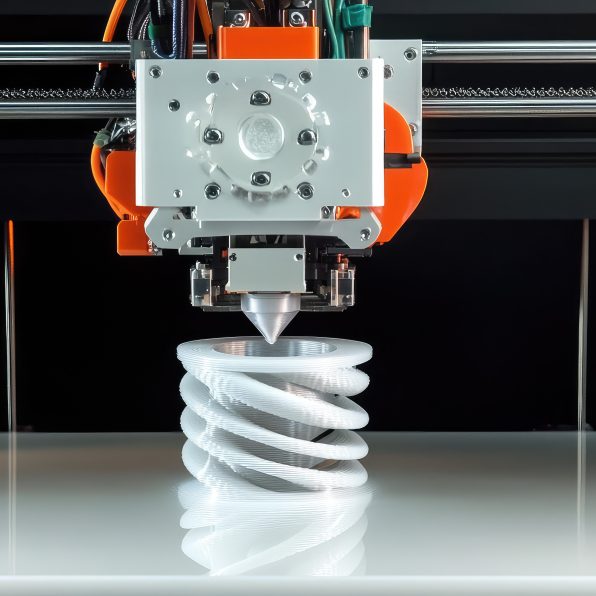
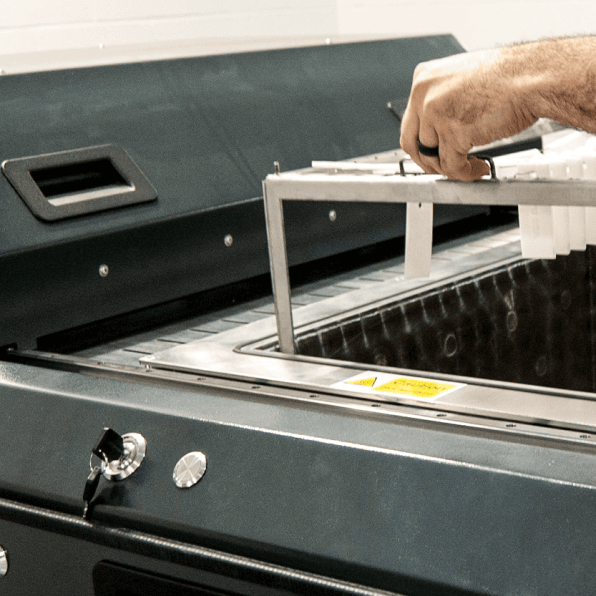
How Does FDM Manufacturing Work?
Advantages & Limitations of FDM
Advantages
-
Printing Speed
FDM machines can print parts faster than many other additive technologies. That means you can get your parts faster.
-
A Wide Range of Materials
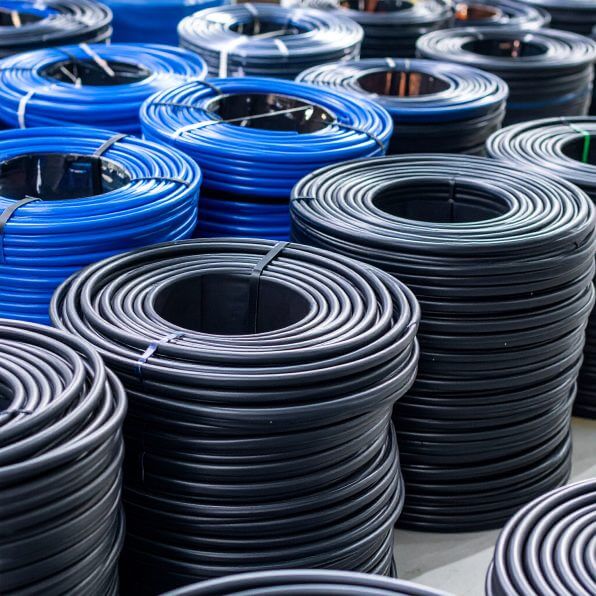
Materials for FDM printing include acrylonitrile butadiene styrene (ABS) polymers, polycarbonates, polycaprolactone and polyphenyl sulfones.
-
Exceptional Toughness
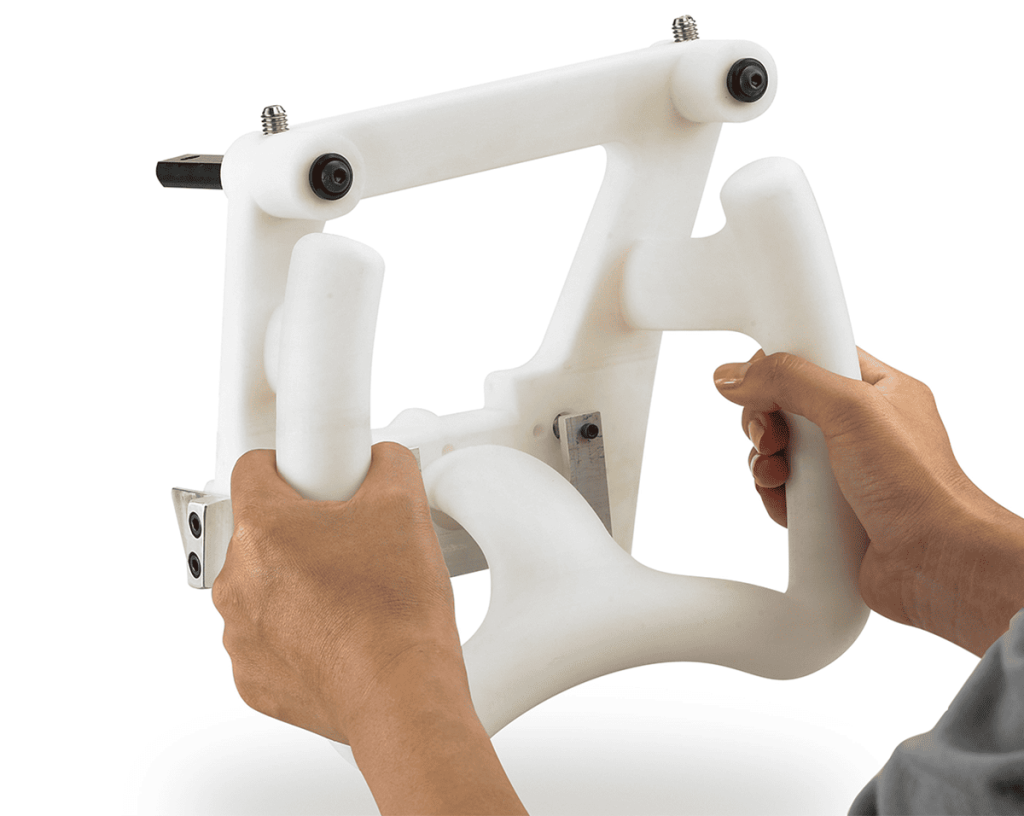
FDM parts are rugged and durable. They’re ideal for demanding applications like jigs and work-holding fixtures.
-
The Same Material, From Prototype to Production
Often, when engineers develop prototype part designs, they must settle for a material that only approximates the physical characteristics of the final production part. That’s because they’re unable to use the same material for both manufacturing methods. With FDM, you can print prototype parts using the same materials you’ll be using for your injection molded production parts.
-
Build Functional Prototypes Fast
Your FDM printing service can build functional prototype parts in a few hours or days, depending on the complexity of the design. FDM can help you accelerate your time to market.
-
Support for Low-Volume Production
FDM manufacturing isn’t just for building prototype parts. Thanks to its speed and print quality, you can also use it for low-volume runs of production parts.
-
Variable Infill Density
Like many additive technologies, printing thick part walls with FDM can be challenging. It significantly increases print time and uses a lot of material without increasing wall strength. With FDM additive manufacturing, you can fill these areas with customizable lattice structures. They use less material, reduce print time and provide excellent structural strength. Your FDM 3D printing service can help you decide if variable density infill is a good fit for your part designs.
Disadvantages
-
Anisotropic Characteristics
Because of the way the layers of FDM parts are joined together, they tend to be weaker in the Z direction than other additive technologies.
-
Not Ideal for Small Parts or Details
With a minimum nozzle size of 0.4 inches, FDM isn’t well-suited to print small parts or larger parts with tiny details.
-
Surface Finish
Because the material is extruded in layers, the surface finish of FDM parts may not be as smooth as some 3D printing methods. That means FDM parts may need post-processing to achieve the required surface finish. Be sure to ask your Fathom representative about finishing options for FDM.
Applications of FDM
- Work Holding Tools
FDM is a fast and affordable way to build customized jigs and fixtures for manufacturing.
- Rapid Prototyping
The toughness of FDM parts makes them ideal for testing your designs for fit, finish and functionality. Because these 3D-printed parts are built from thermoplastics, they’re an excellent way to finalize your designs before you build tooling.
- Production Parts
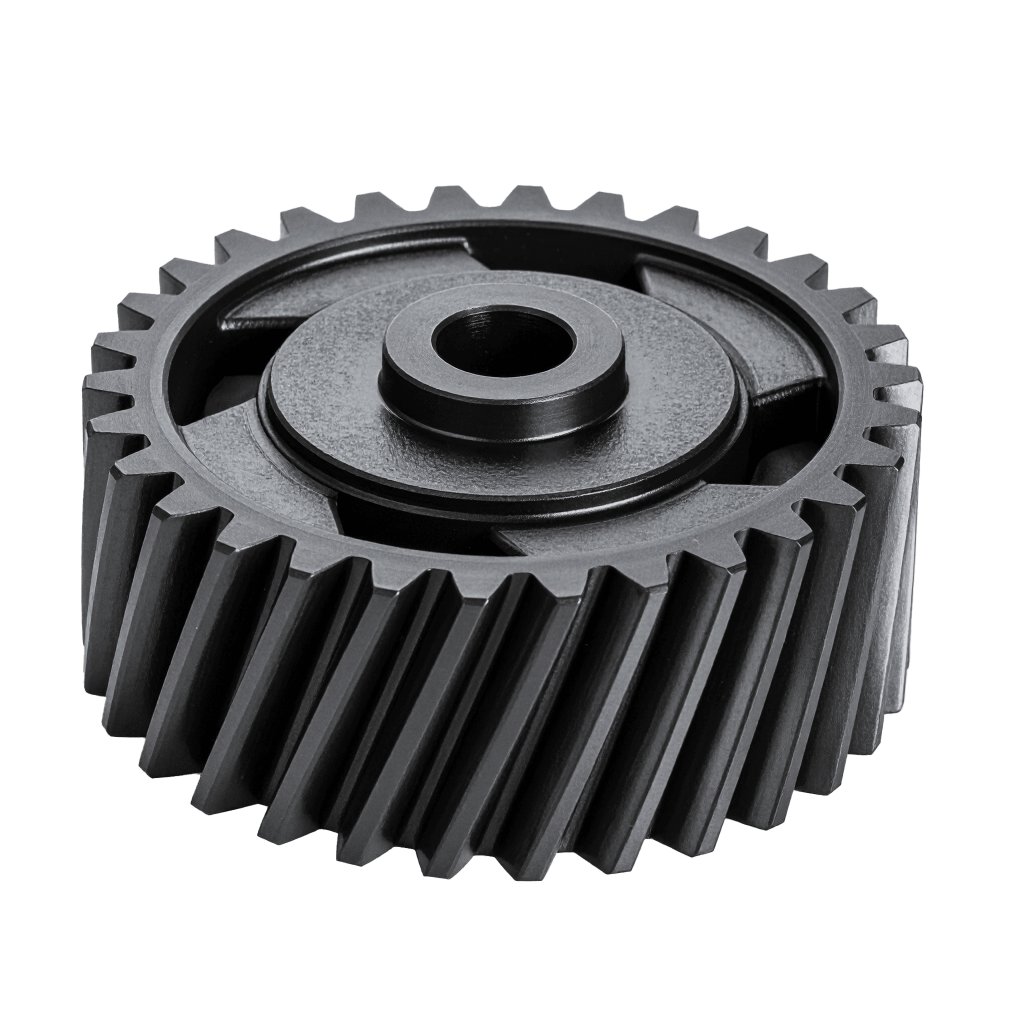
Some materials used to build FDM parts are chemical resistant and can endure extreme conditions. They’re ideal for demanding applications like aerospace and industrial equipment.
- Aviation and Aerospace
Manufacturers are increasingly replacing metal parts with FDM components to reduce weight. Applications include components for aircraft interiors and engine components.
- Consumer Product
Parts made with FDM have excellent chemical and impact resistance. That makes them a popular choice for consumer products.
- Medical
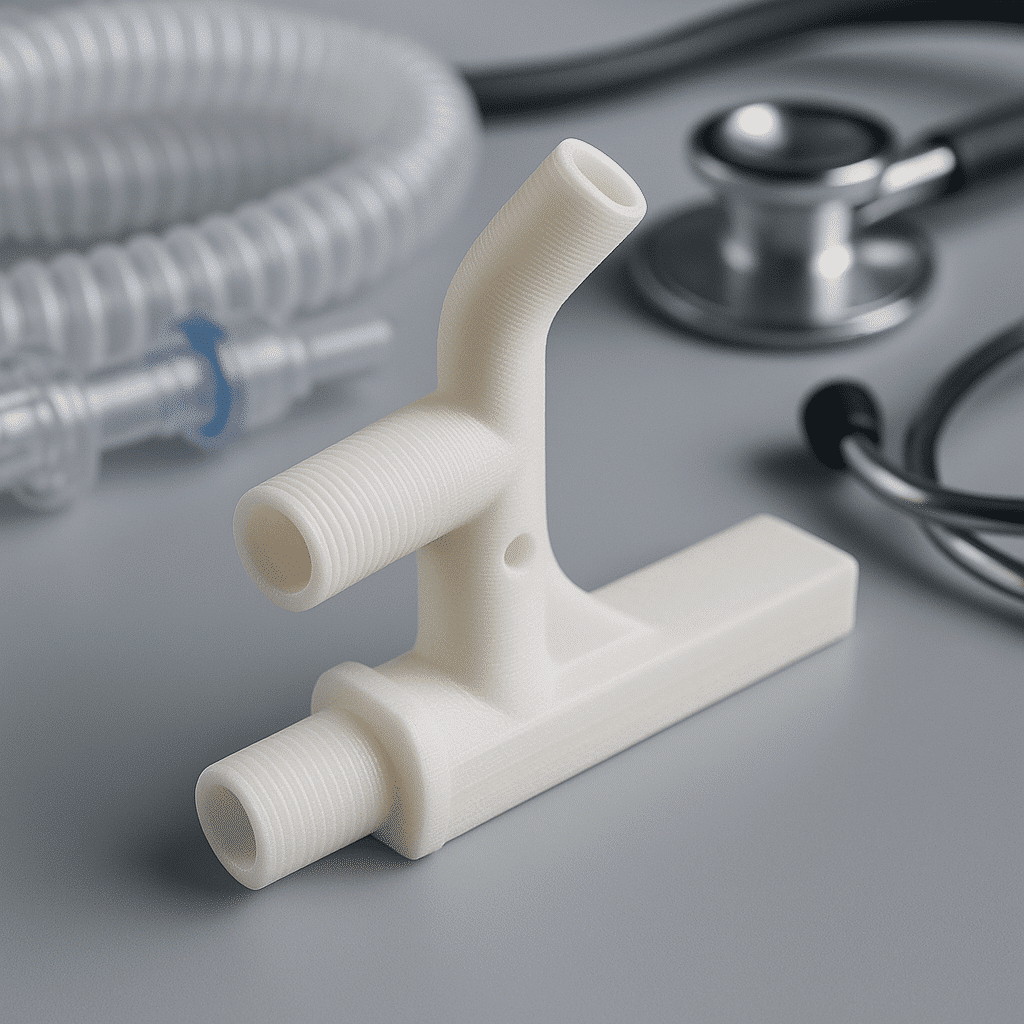
You can use FDM to build surgical instruments, dental implants, hearing aids and other medical devices. In these applications, durability is a must.
Choose the Right Thermoplastic for FDM
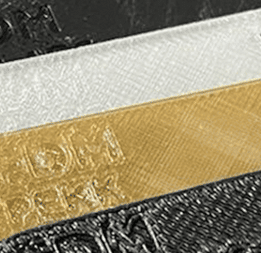
Dive into material options and thermal characteristics for FDM. Great for functional prototypes, rugged components, and real-world testing.
Case Studies
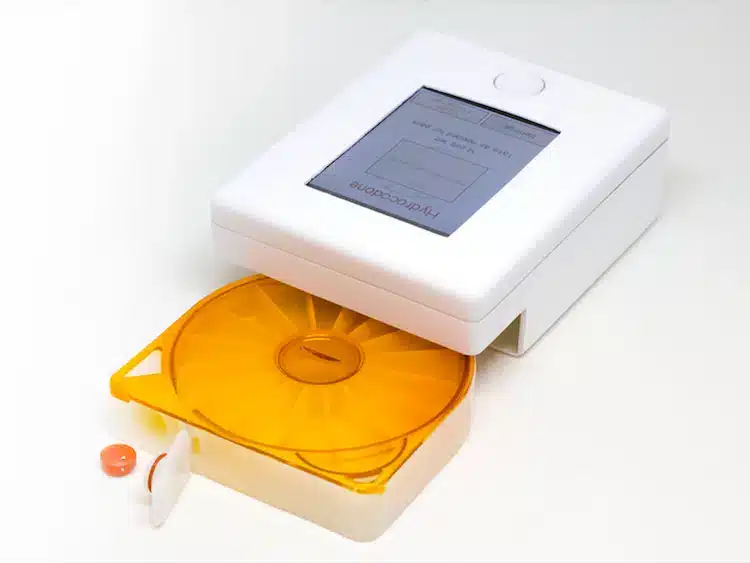
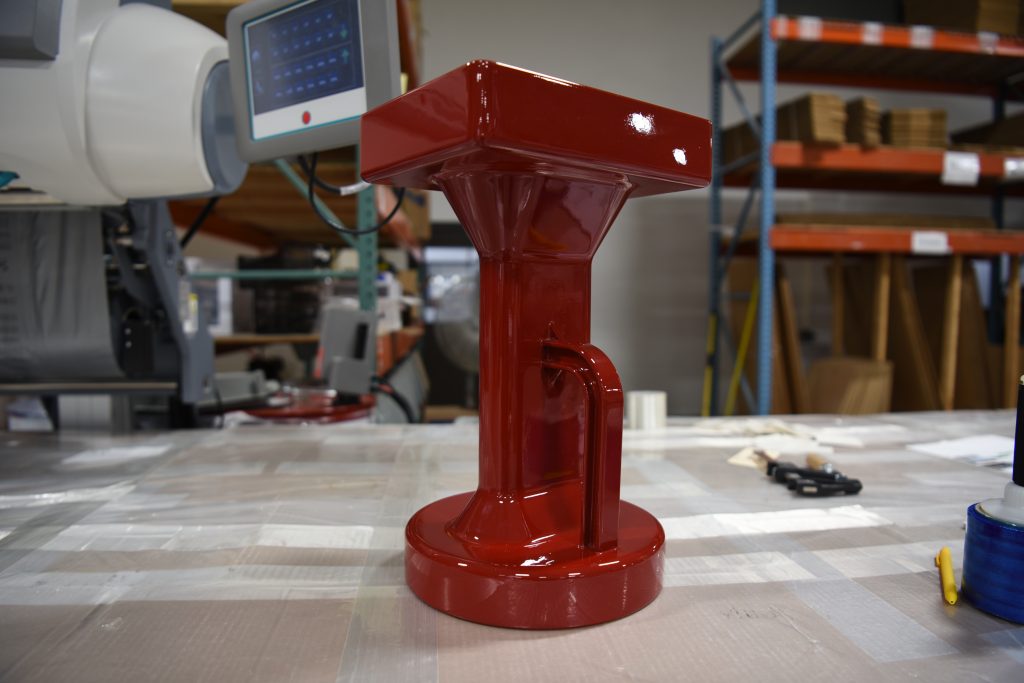
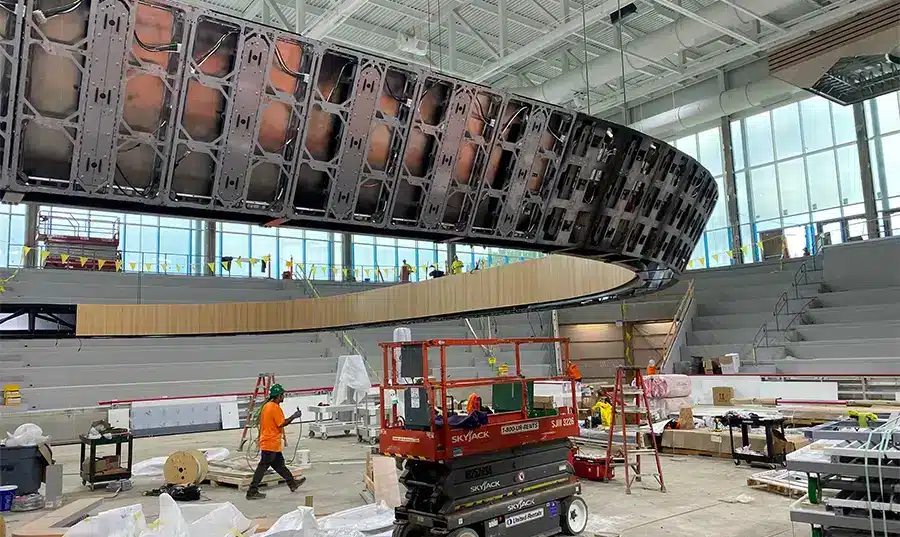
What Can FDM be Paired With?
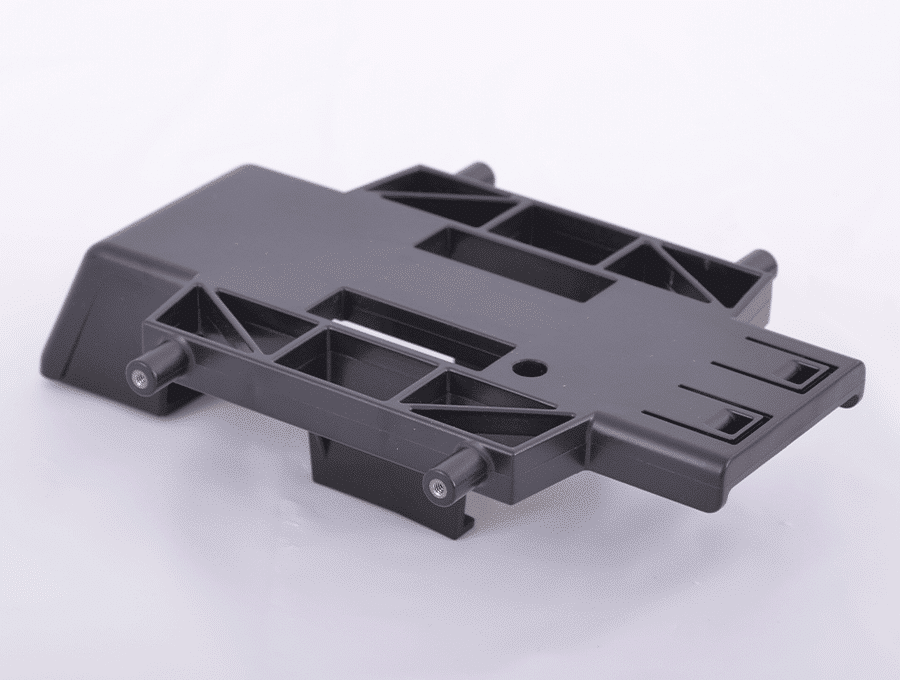
FDM parts can be post-machined to meet specific tolerances. You can bond them to other parts, such as fiberglass panels and other additive parts. In addition, they can accommodate post-installable hardware and inserts.
Traditional Technologies That Can Benefit from FDM
Are you using CNC machining, injection molding or other traditional methods to produce your prototype parts? If so, FDM may be a faster and more flexible alternative.
FDM manufacturing is well-suited for low-volume production of thermoplastic parts. That makes it a great match for your bridge production needs.
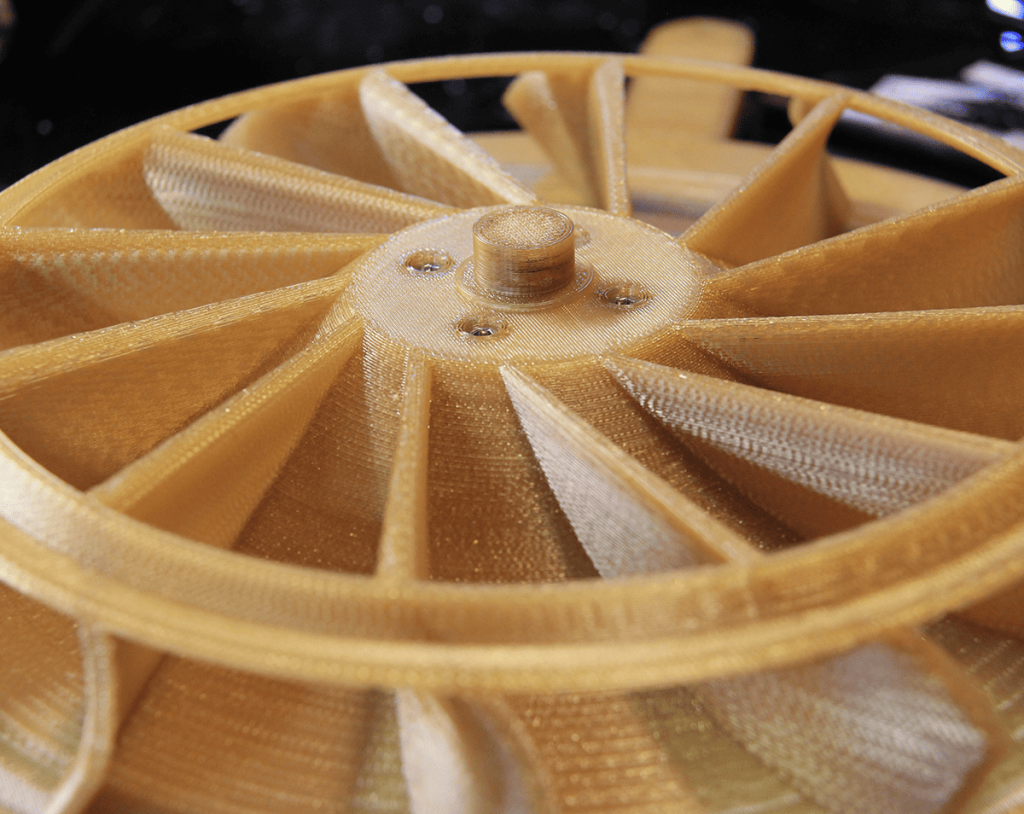
Choose the Right Thermoplastic for FDM
Dive into material options and thermal characteristics for FDM. Great for functional prototypes, rugged components, and real-world testing.
Why Choose Fathom for FDM 3D Printing?
-
Fathom has the expertise and technology to help you meet your needs faster.
-
Fathom’s FDM printing service has the capacity and knowledge to help you produce high-quality FDM parts to meet your prototyping and production needs.
-
An experienced engineer will help you first determine if FDM manufacturing is the right solution for your needs. We will then help you optimize your part design for the best results