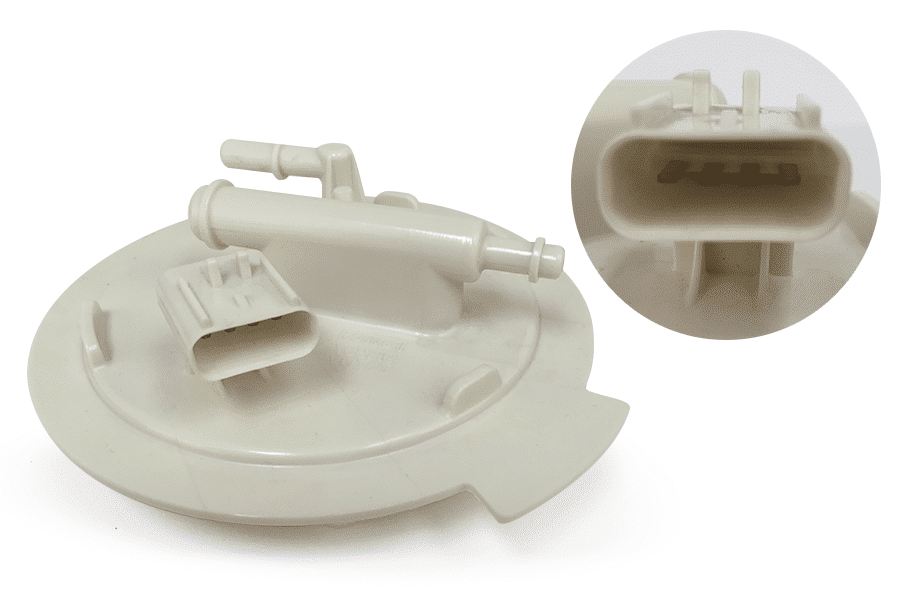
Additive Post Processing Services
-
In-House Services Add Value to Your Parts
-
Save You Time & Money
-
One Point of Accountability
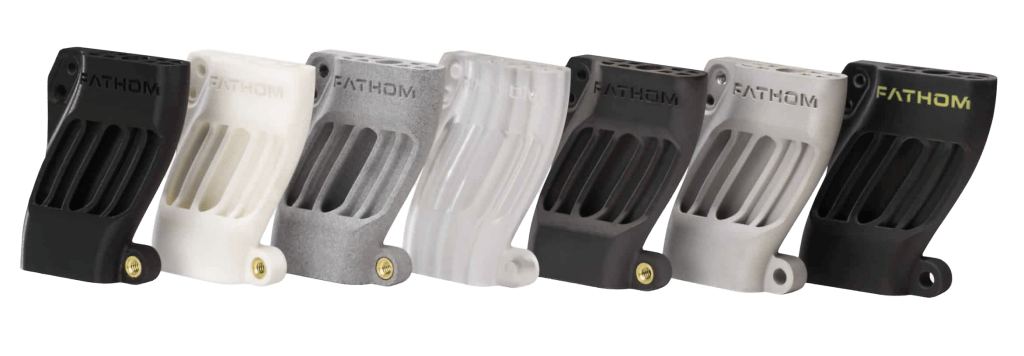
Trusted by Industry Leaders


Types of Additive Post-Processing
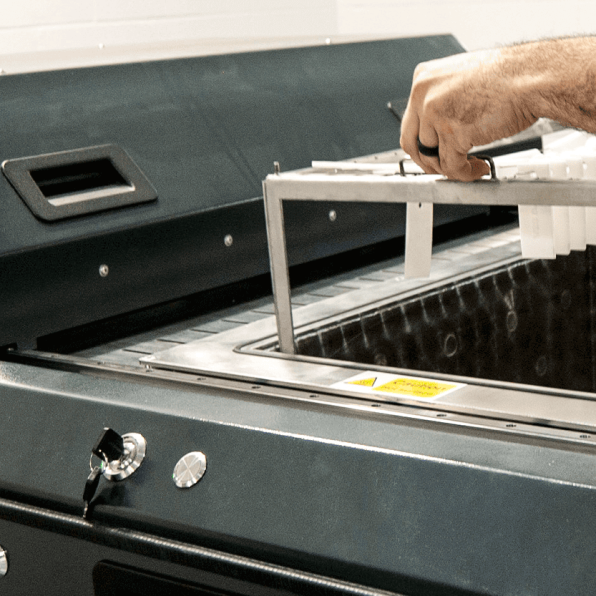
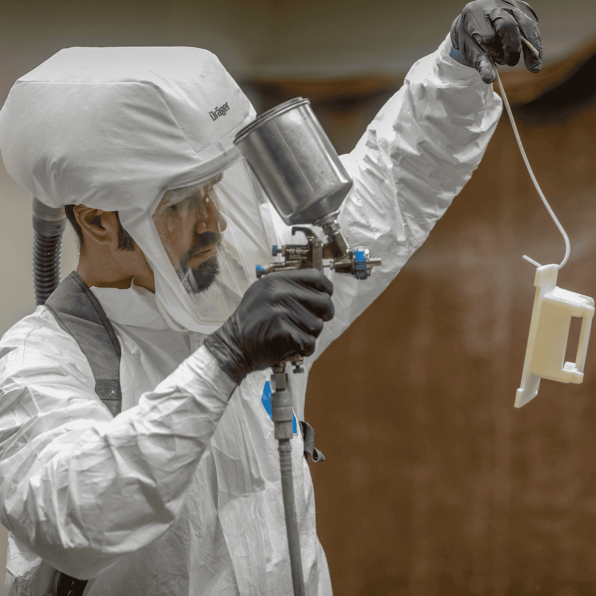
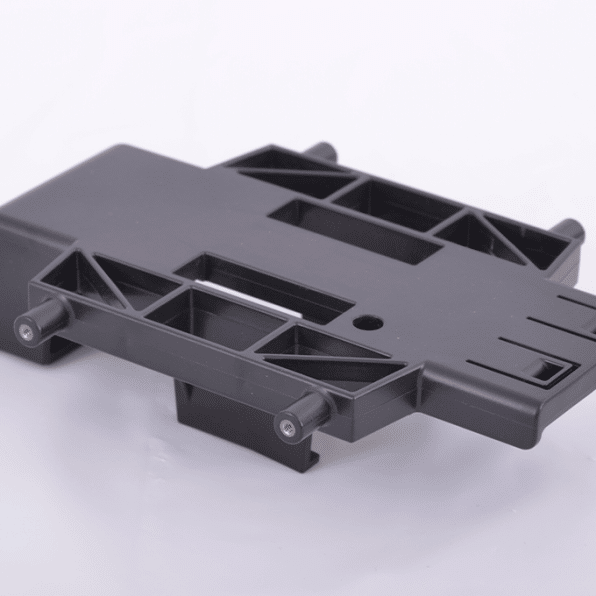
Advantages & Disadvantages of Additive Post-Processing
Advantages
-
Suitability for End-Use Application
Post-processed parts are more aesthetically pleasing and are ready to withstand the environments in which they will be used.
-
Additive Post-Processing Expertise
You won’t find this level of post-processing craftsmanship anywhere else. We have decades of experience finishing and assembling parts to meet our customers’ strict requirements.
-
Engineering Insights
As part of our DFM process, our experienced engineers can walk you through finishing options to help you select the approach that delivers the best results.
-
Simplify Your Supply Chain
Having us handle these steps in-house saves our customers time and money. Why dedicate precious factory space to finishing your parts when we can do it for you?
-
Speed & Accountability
The same facility that builds your 3D-printed parts also handles the finishing. That means fewer delays (no outsourcing to a third party) and one point of accountability.
-
A Commitment to White Glove Service
Many of our competitors don’t offer post-processing and finishing services. They prefer “print and ship” additive projects. We’re committed to meeting your needs, from design and prototyping to production and post-production.
Disadvantages
-
Adds to Processing Time & Cost
Most additive parts are not ready to use right out of the printer. So when you order them, you need to factor in extra time for post-processing. These extra steps also add to the cost of the parts.
-
You Can’t Skip Post-Processing
Given the current state of additive manufacturing, most parts don’t come off the printer ready to use. They all need some level of post-processing before you can incorporate them into your products.
Which Applications Require Post-Processing?
Aerospace & Automotive
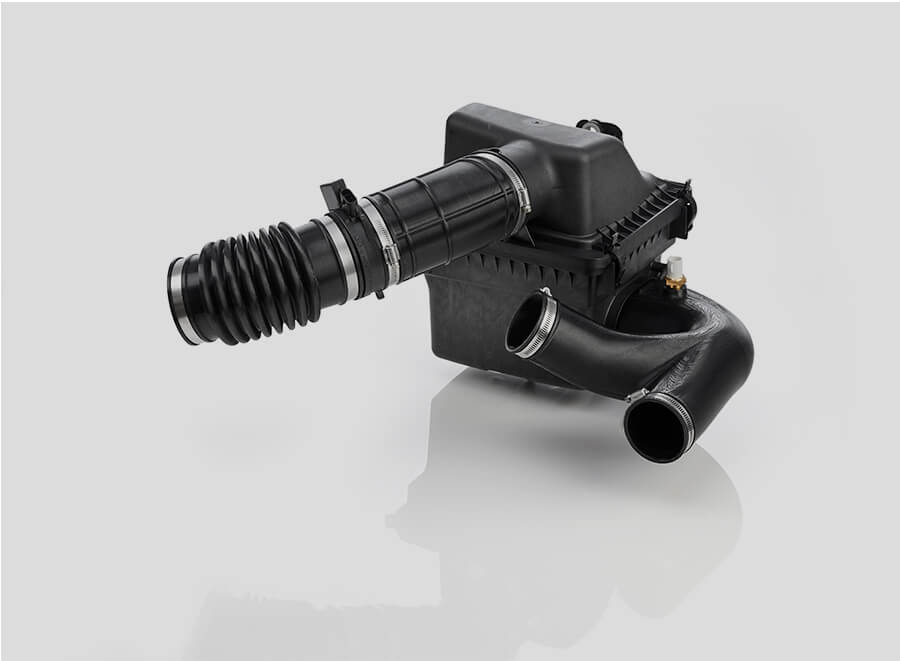
These industries require parts that can withstand high stress and extreme temperatures. Depending on where they’re used, they may also need to have low-drag aerodynamic surfaces. A common process is surface finishing to reduce drag and improve aerodynamic qualities.
Medical Devices
Components used in this industry may need to meet standards for biocompatibility. Others may need to withstand sterilization processes. Parts used in medical devices require a variety of surface finishes and coatings to meet customer and application requirements.
Consumer Products
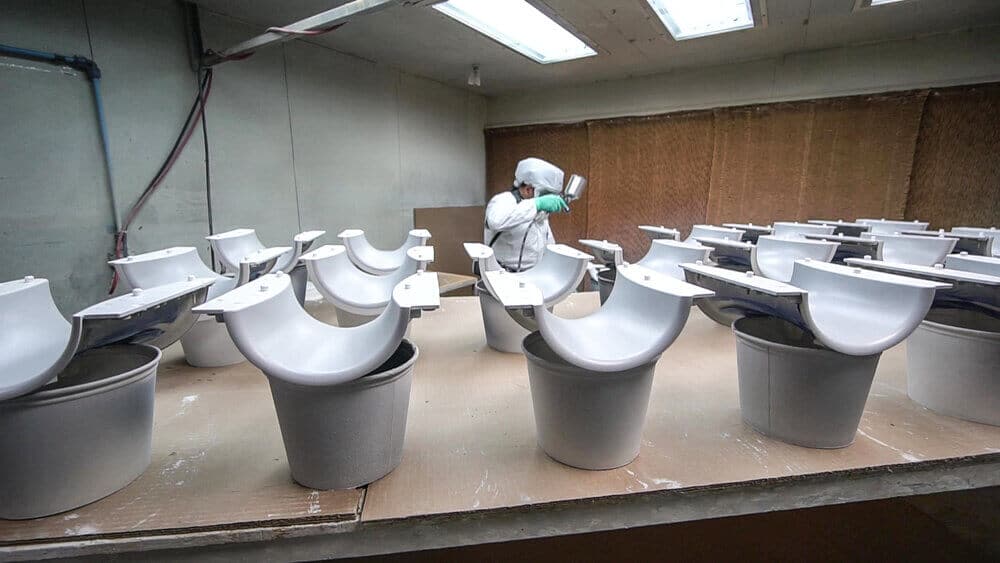
Consumers expect the products they buy to have polished, professional looks and durability to withstand everyday use. Sanding, painting and smoothing are often used to give consumer components a more appealing look.
Industrial & Mechanical Components
Some parts must bear loads and need to be reinforced for durability. Other industrial applications expose parts to corrosive, abrasive or extreme temperature environments. They, too, must be protected. Specialized coatings may be used to improve corrosion, UV or heat resistance
Explore Fathom’s Full Range of Manufacturing Equipment
Download our complete machine list for a detailed look at our capabilities across CNC machining, additive, molding, and fabrication.
Case Studies
Explore Fathom’s Full Range of Manufacturing Equipment
Download our complete machine list for a detailed look at our capabilities across CNC machining, additive, molding, and fabrication.
Why Our Customers Choose Fathom
-
Our expert engineers will help you optimize your part designs for production.
-
Our engineering and production teams bring decades of expertise and problem-solving to every project.
-
We offer manufacturing and full post-processing capabilities under one roof for one point of accountability
-
We’re your partner from design and prototyping to bridge and full production.